
SDG Interactions Essay Competition: Announcing the Winners
By Kate Garside, Knowledge Brokering and Synthesis Team
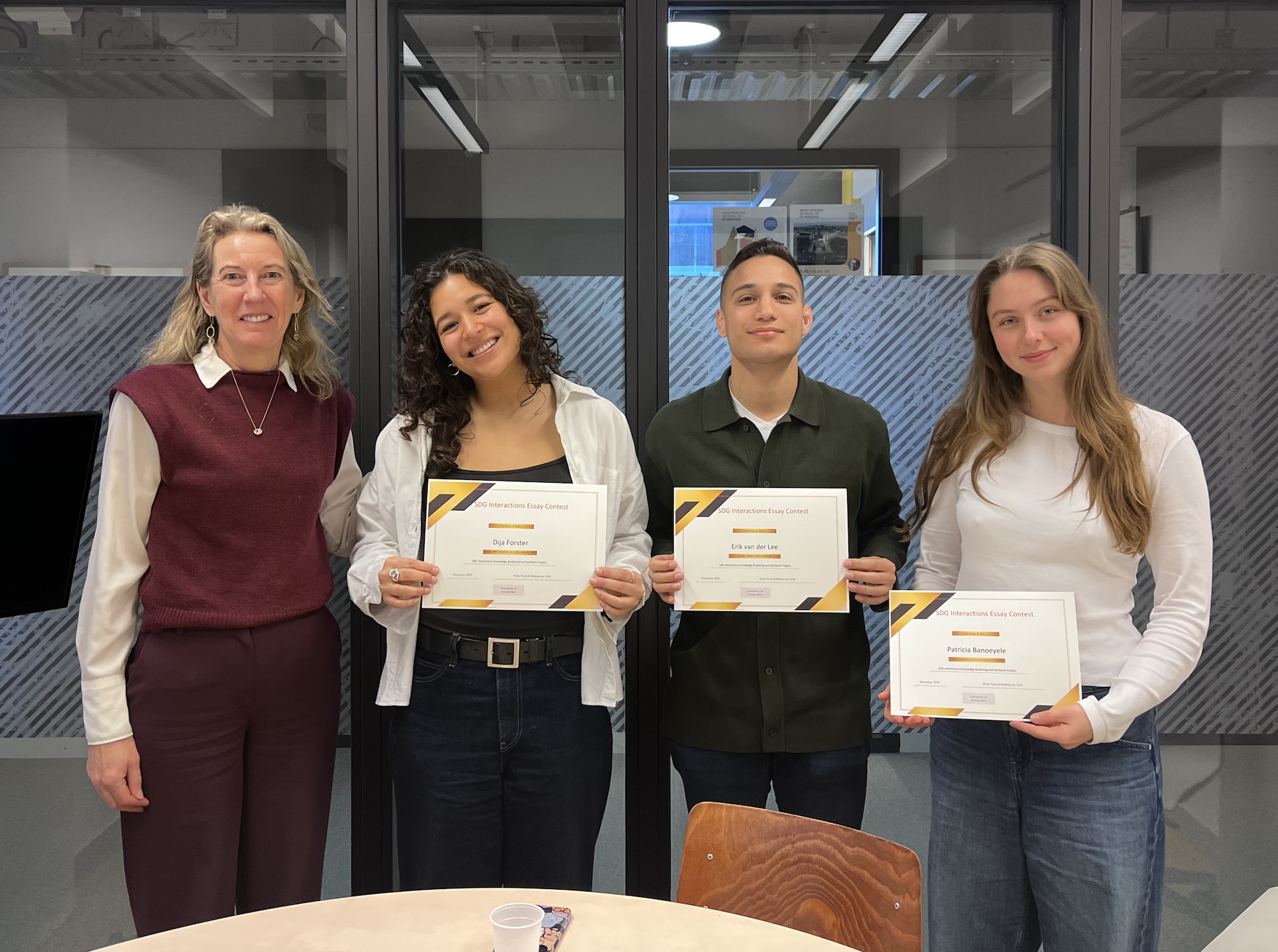
A few months ago The Knowledge Brokering Synthesis team invited current and recently graduated Master students to submit compelling and original essays exploring how the Sustainable Development Goals (SDGs) interact, both positively and negatively. After careful consideration of submissions, the Knowledge Brokering and Synthesis team would like to announce the winning essays.
1st Place - Dija Forster
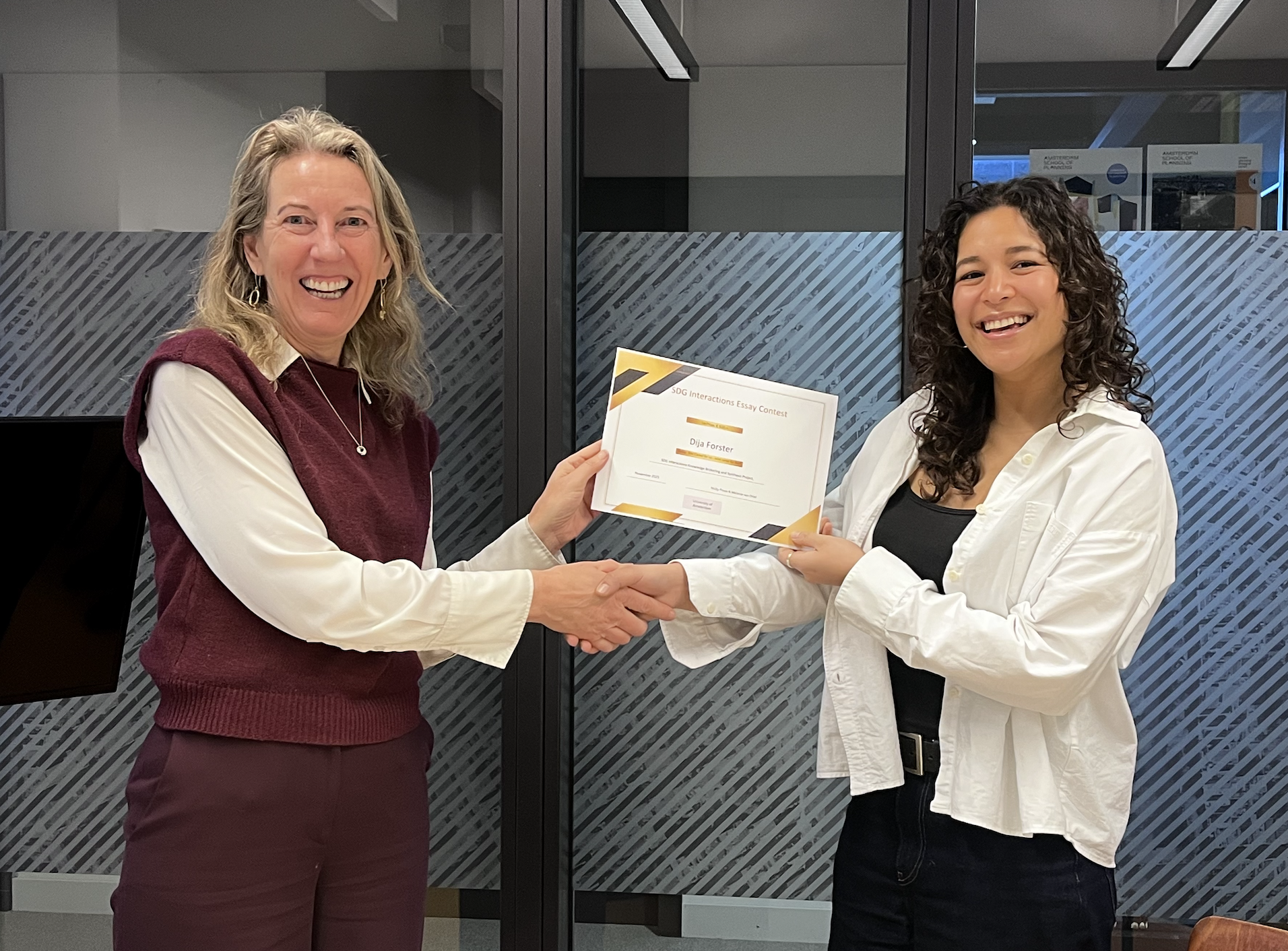
“She Cared For Us - Who Cares For Her? The Case of Ageing Migrant Domestic Workers in Malaysia” by Dija Forster
As her body grows older, who cares for the woman who has spent a lifetime caring for others?
My research follows migrant domestic workers in Malaysia as they grow older in the intimate spaces of their employers’ homes. Each day, they navigate strict migration laws and annual health checks that decide whether they can stay, all while carrying the quiet weight of financial worries, family responsibilities back home, and the reality of return. Their stories reveal how global agendas like the Sustainable Development Goals (SDGs) promise inclusivity yet overlook the very women whose labour sustains families and economies. There is a real tension at the heart of the SDGs: while they champion inclusion and equality, migration policies on the ground often put economic interests before the dignity of migrant women. This raises a simple but urgent question: if international agendas and organizations fail to protect ageing migrant women, then who will?
Read the essay here.
2nd Place - Erik van der Lee
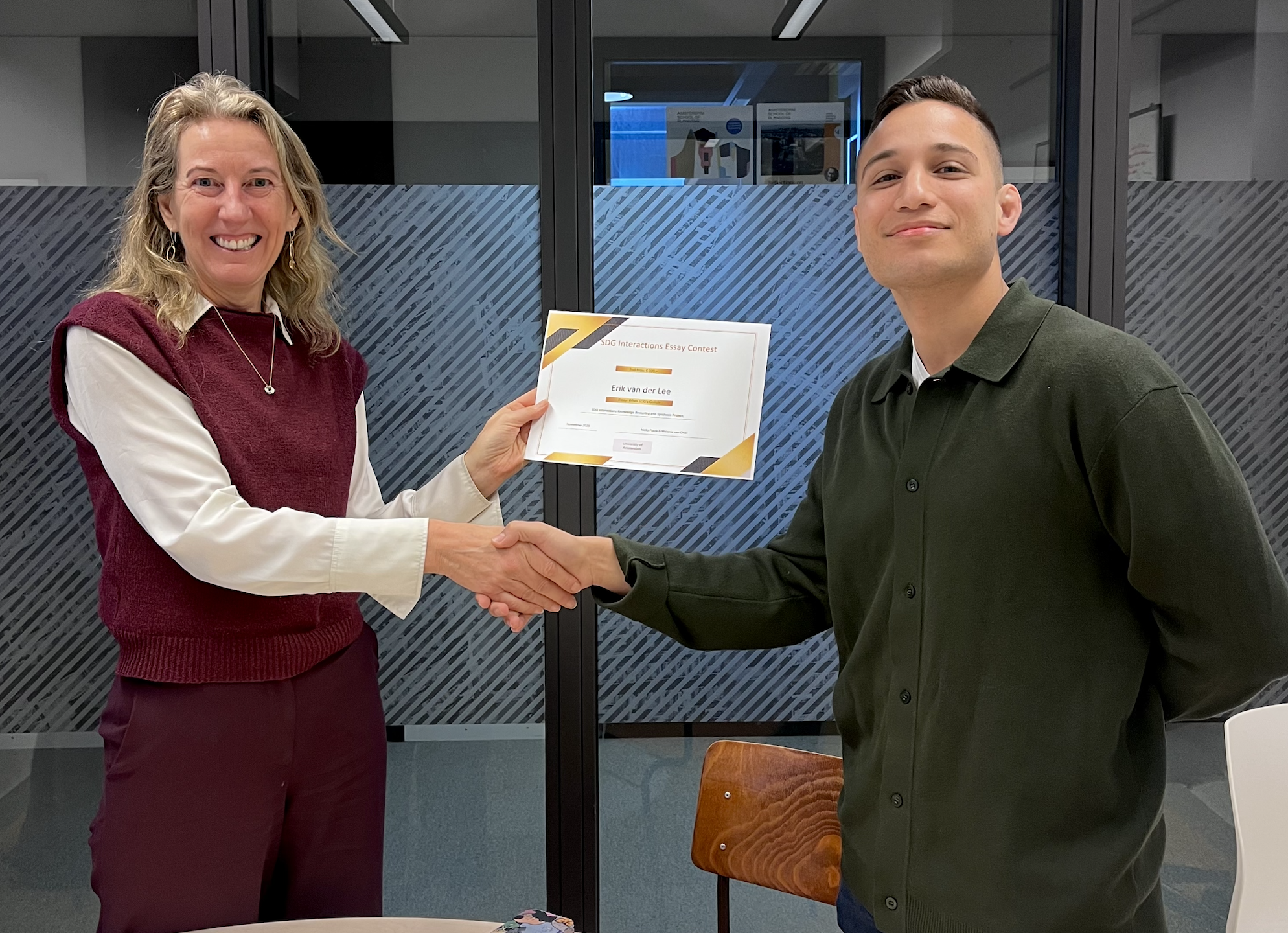
“When SDGs Collide: How Climate Targets Criminalize Indigenous Stewardship in Thailand’s Haze Crisis” by Erik van der Lee
Haze season in Chiang Mai is more than weather; it is policy made visible. This essay argues that Thailand’s Zero Burning Policy (ZBP), adopted to meet climate and biodiversity targets, knocks into other SDGs. When all fire is banned, rotational farming by Karen communities is criminalized, households shift to cash crops, biodiversity erodes, and customary values are undermined. Health and city goals suffer as industrial burns continue, while inequality grows. Drawing on 2025 fieldwork, I trace how delegitimizing Traditional Ecological Knowledge enables conservation-led land acquisition, and how Karen communities resist by burning in the dark, timing safe burns, and organizing to protect forests. It examines intersectional vulnerabilities, or ‘the struggle within the struggle,’ created by the ZBP, and how national policies override local solutions. It closes with practical shifts to realign Thailand’s national policies around justice, tenure security, women’s seed sovereignty, and community-defined risk reduction.
Read the essay here.
-
Erik is a MSc International Development Studies Graduate and 2025 IHE Delft Young Water Diplomat. He is interested in environmental politics, (transboundary) water governance, and examining how policy frameworks shape resource access, knowledge systems, and environmental justice.
3rd Place - Patricia Banoeyele
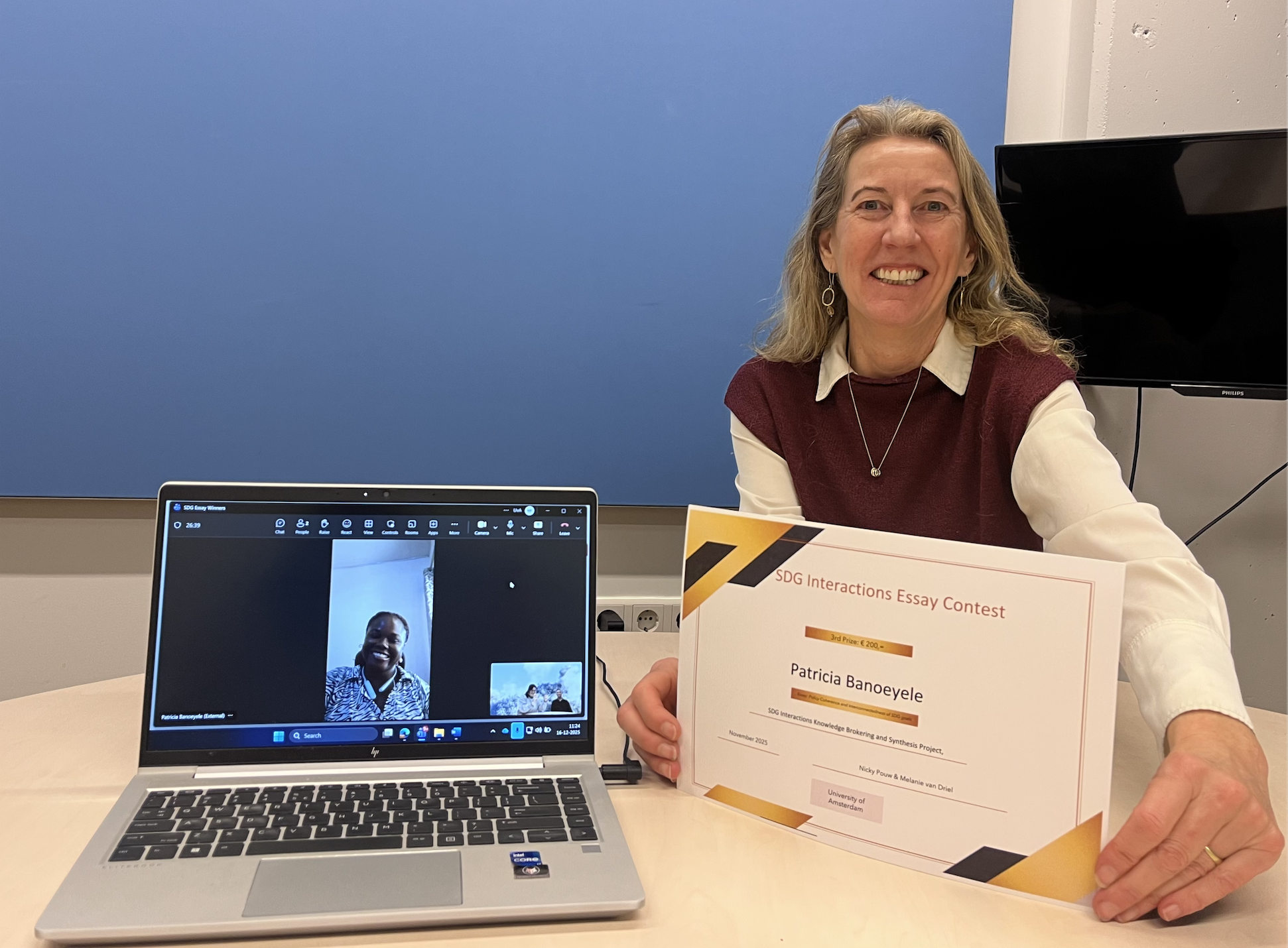
“Policy Coherence and Interconnectedness of the Sustainable Development Goals” by Patricia Banoeyele
Why Empowering Women Is the Most Powerful Tool for Achieving the SDGs
The Sustainable Development Goals are deeply interconnected, and nowhere is this more evident than in the relationship between gender equality, zero hunger, and good health. When women are empowered, through education, economic opportunities, access to land, and participation in decision-making, entire households and communities benefit. My research from four selected sub-Saharan African Countries shows that empowered women invest more in nutrition, healthcare, and education, resulting in reduced malnutrition, improved maternal and child health, and greater economic resilience. With women making up 40% of the agricultural workforce in the region, their ability to access credit, technology, and resources directly shapes food production and food security. Policies like Ghana’s Affirmative Action Act and Kenya’s Women’s Enterprise Fund demonstrate how targeted interventions can accelerate progress. To truly achieve the SDGs, governments and development actors must champion women’s empowerment not as a standalone goal, but as the most effective multiplier for global well-being.
Read the essay here.
