
Conference Report - Making SDG Interactions Work: From Evidence to Coherent and Inclusive Decisions
By Kate Garside, Knowledge Brokering and Synthesis Team
All images by Olivia Decker
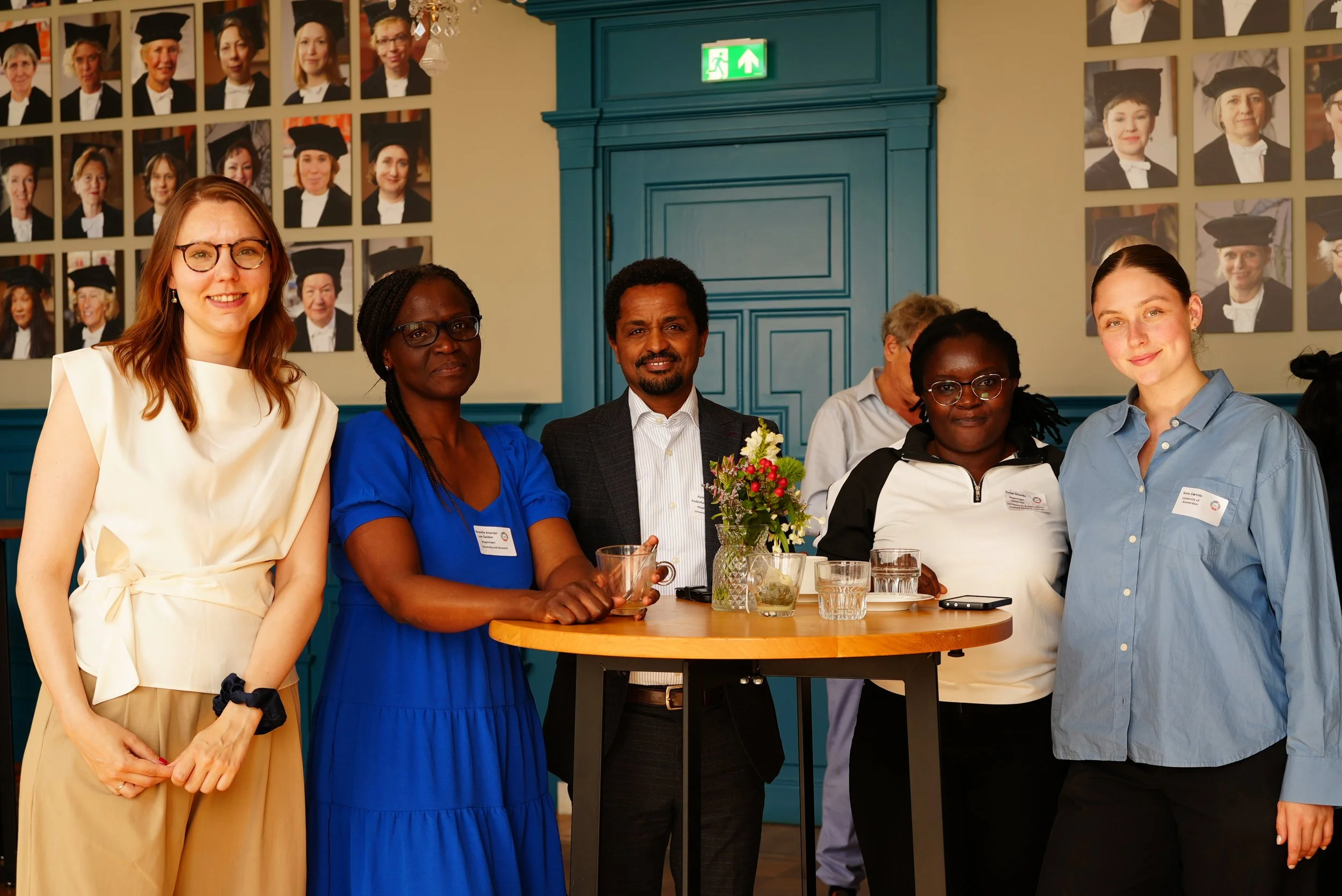
On 1–2 July 2026, researchers, policymakers and practitioners gathered at the Academy Building in Utrecht for the final conference of the SDG Interactions and Policy Interventions in Developing Countries programme. After four years of interdisciplinary research across Ethiopia, Kenya, Uganda and Bangladesh, the conference brought together findings from across the programme and asked what they mean for policy. How can a better understanding of interactions between development goals help policymakers navigate trade-offs, strengthen policy coherence and make more inclusive decisions?
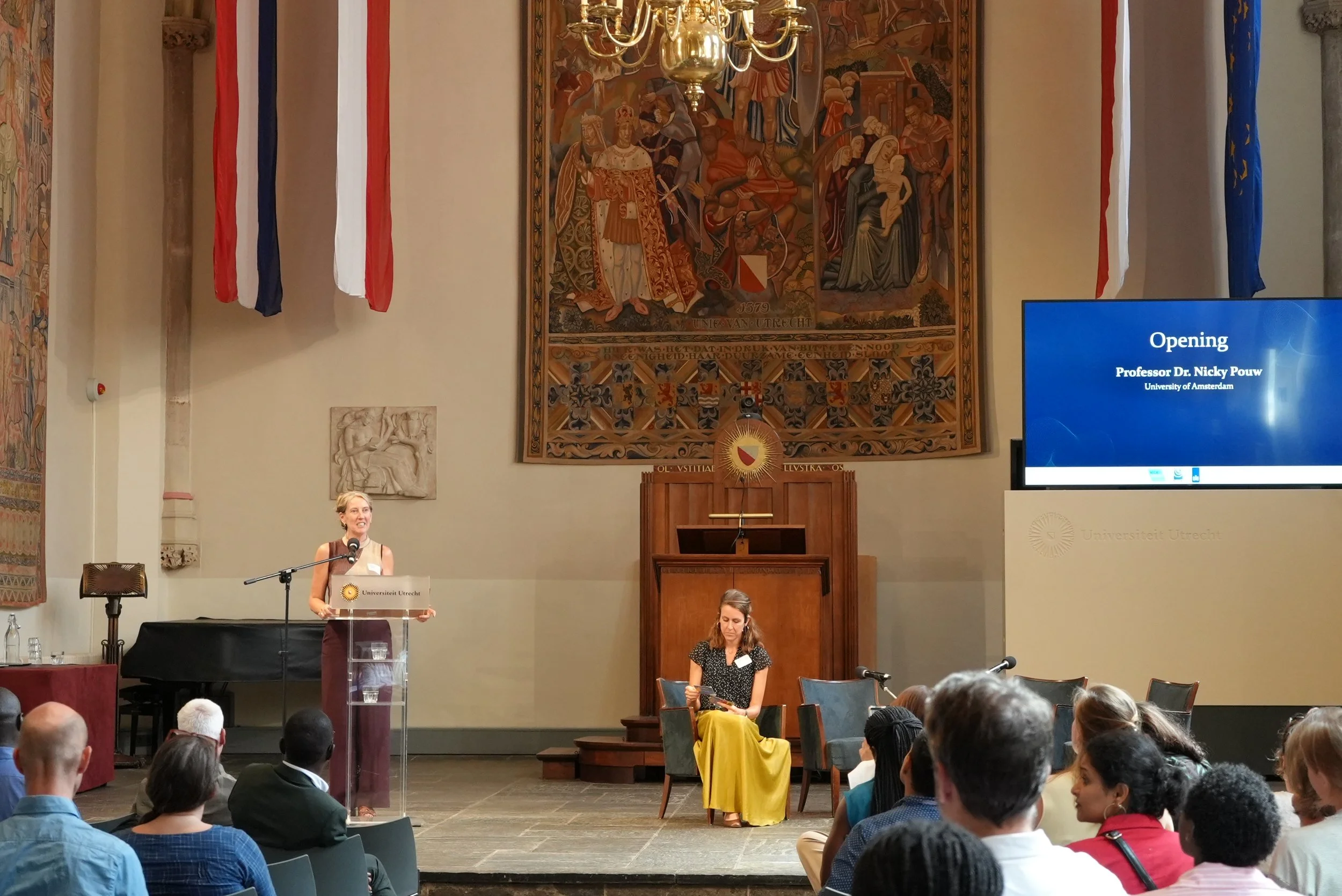
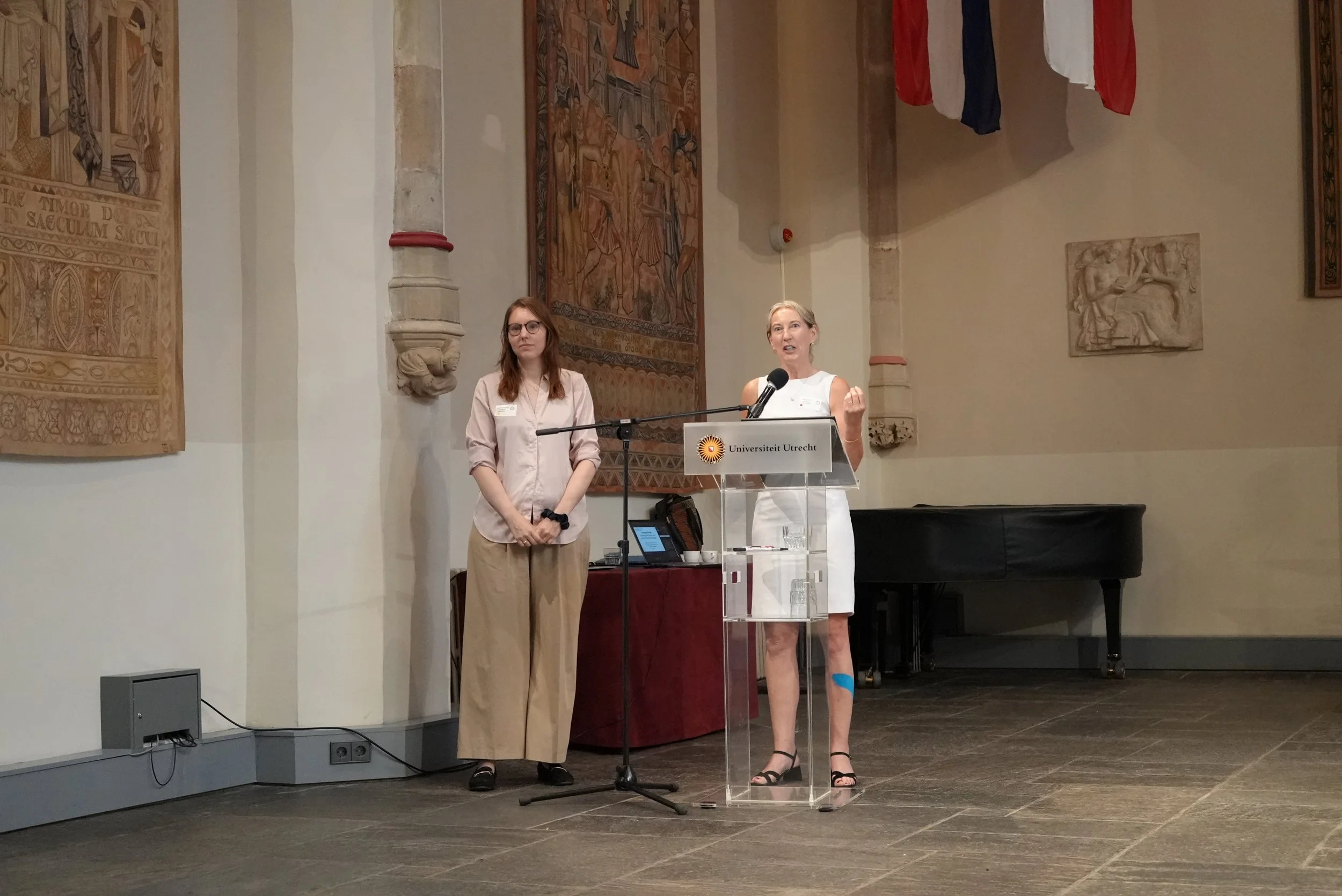
Opening the conference, Professor Dr. Nicky Pouw framed the two days as a journey from evidence to decisions. Day One focused on research findings and their wider implications, while Day Two brought these insights into direct conversation with policy and practice.
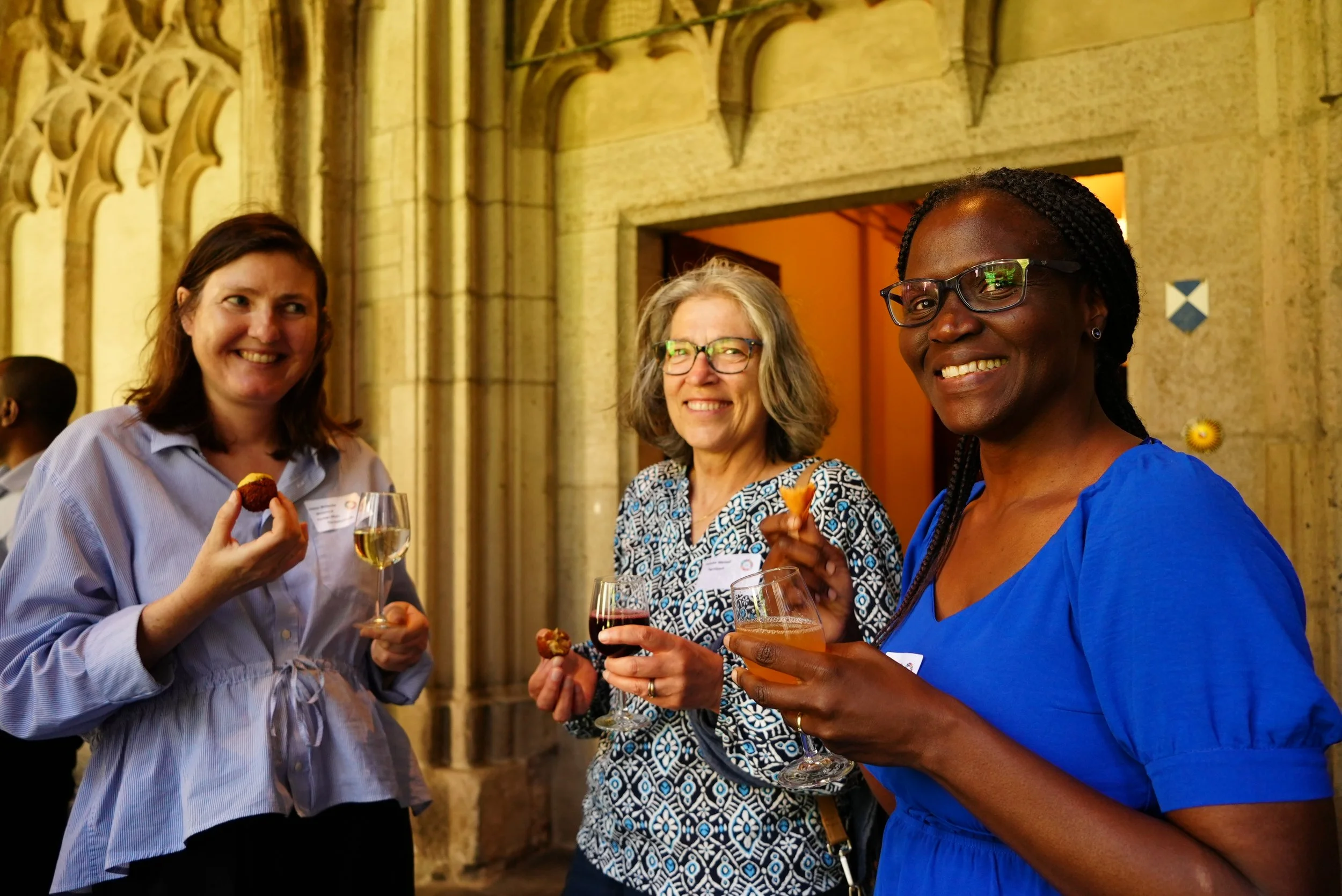
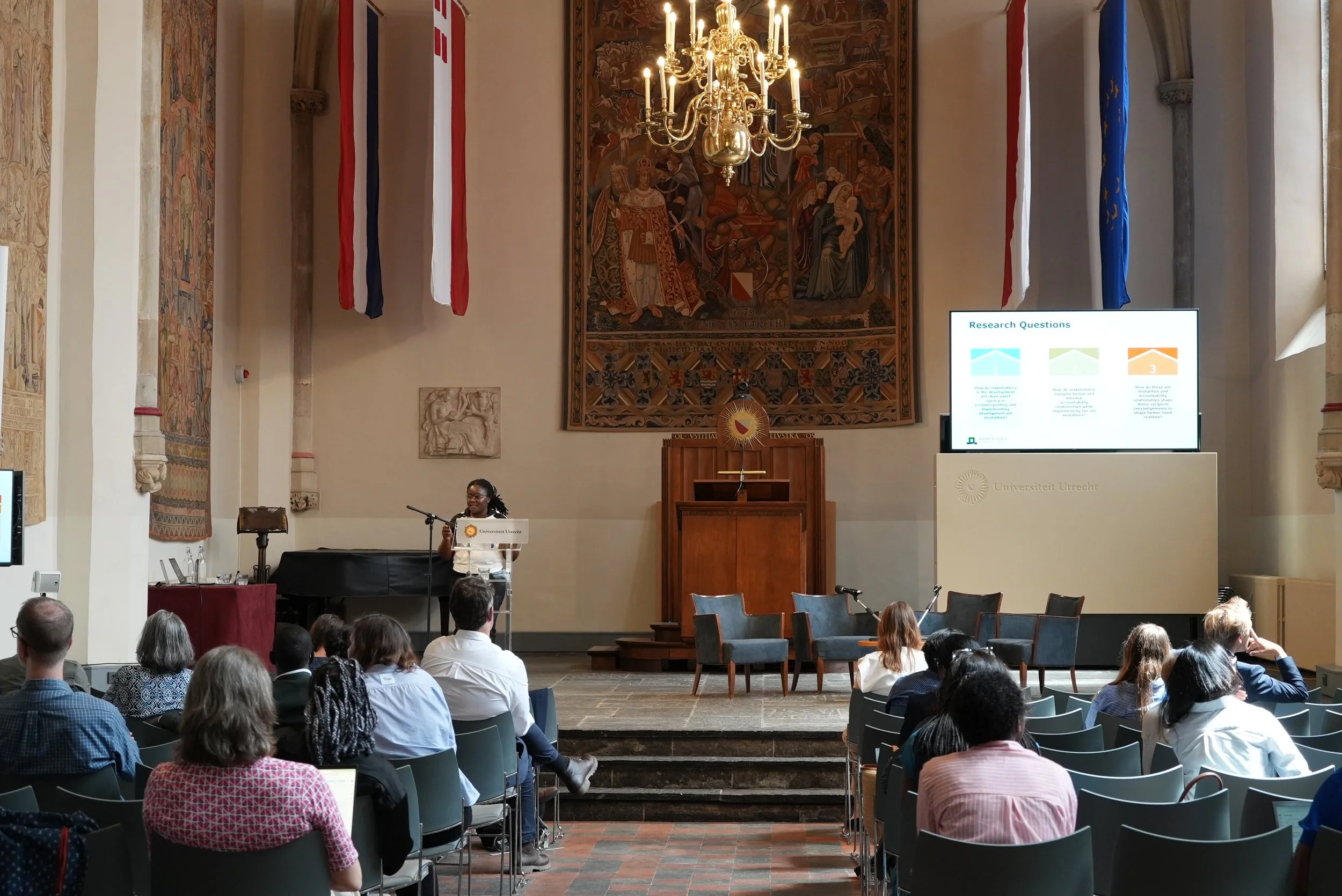
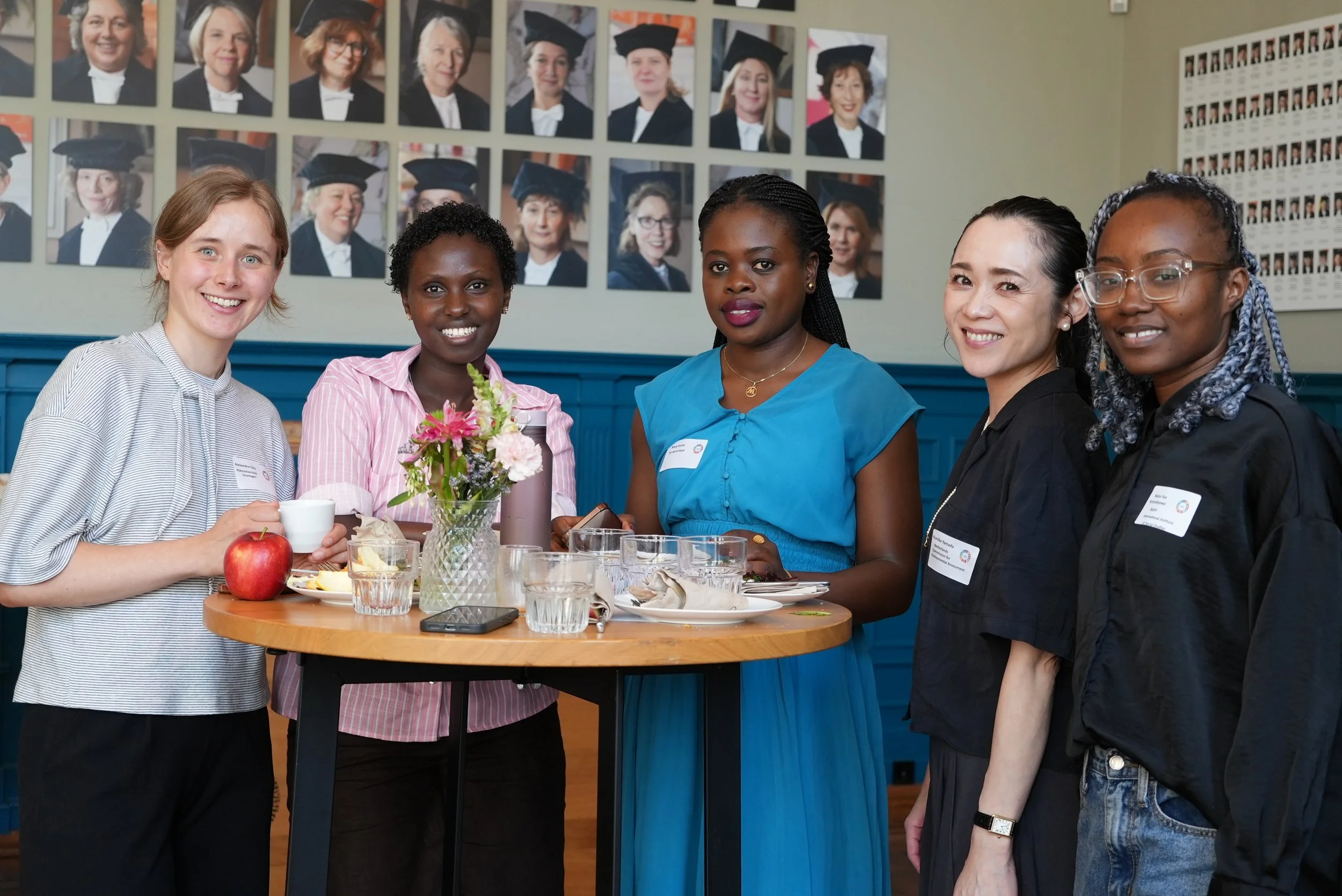
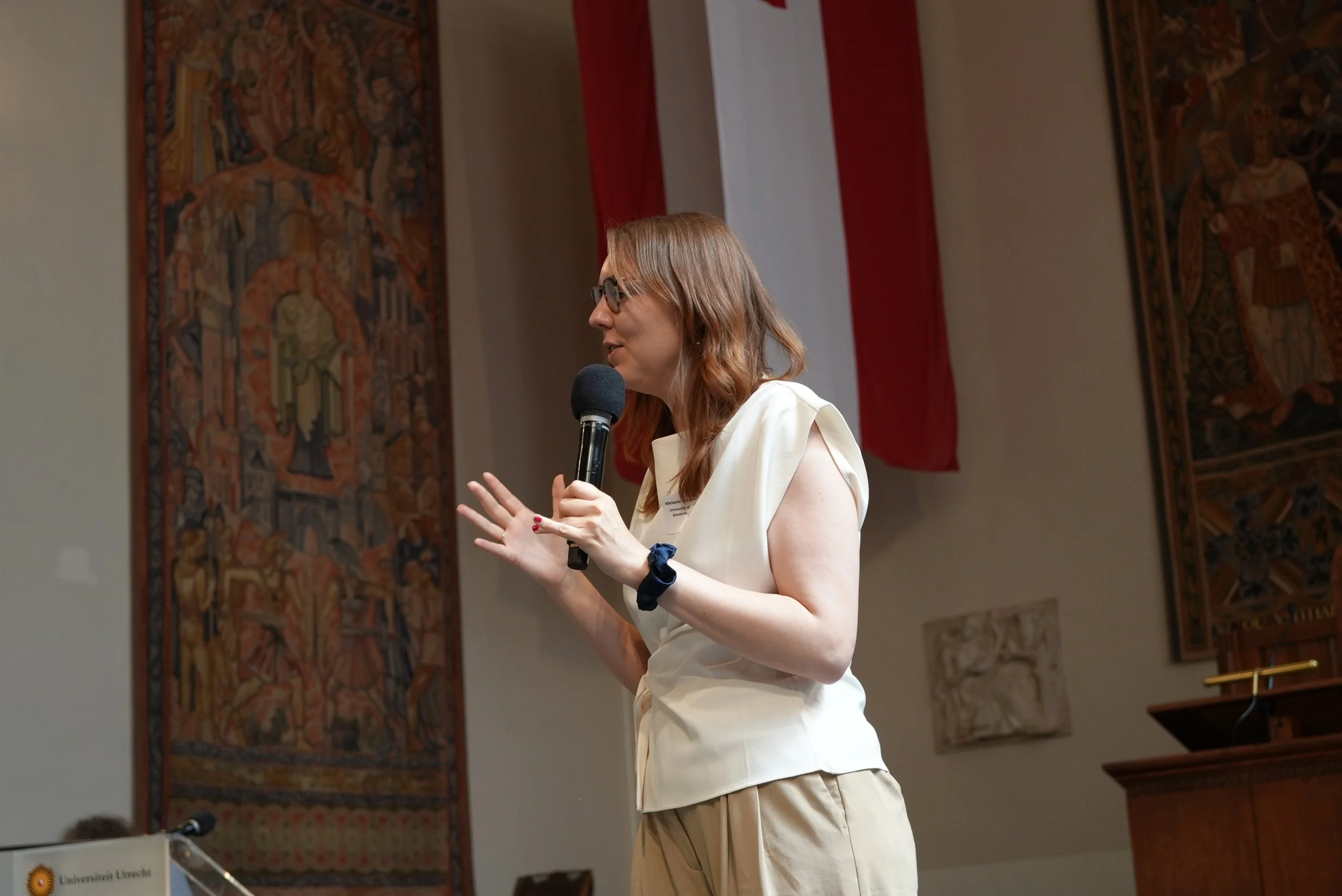
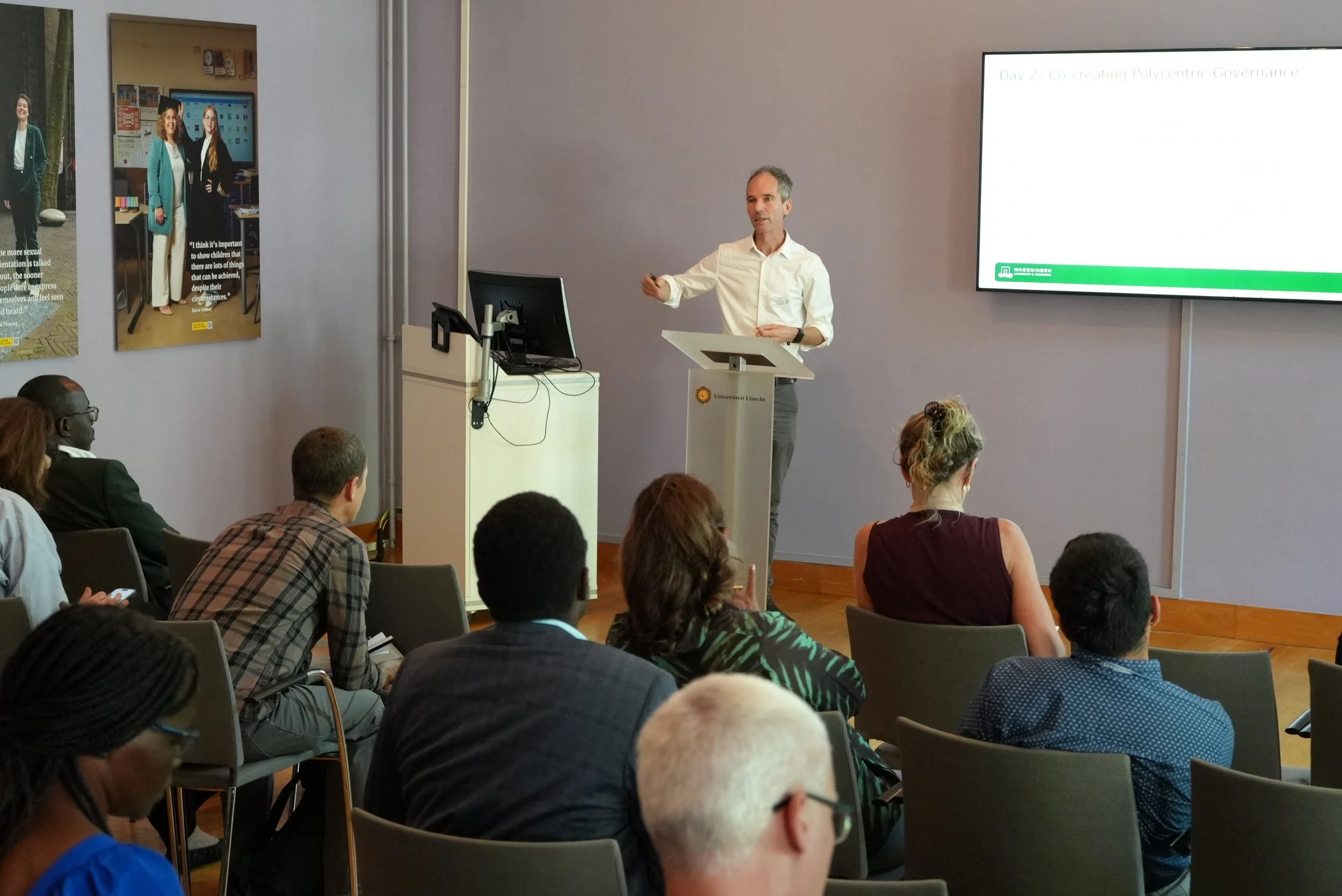
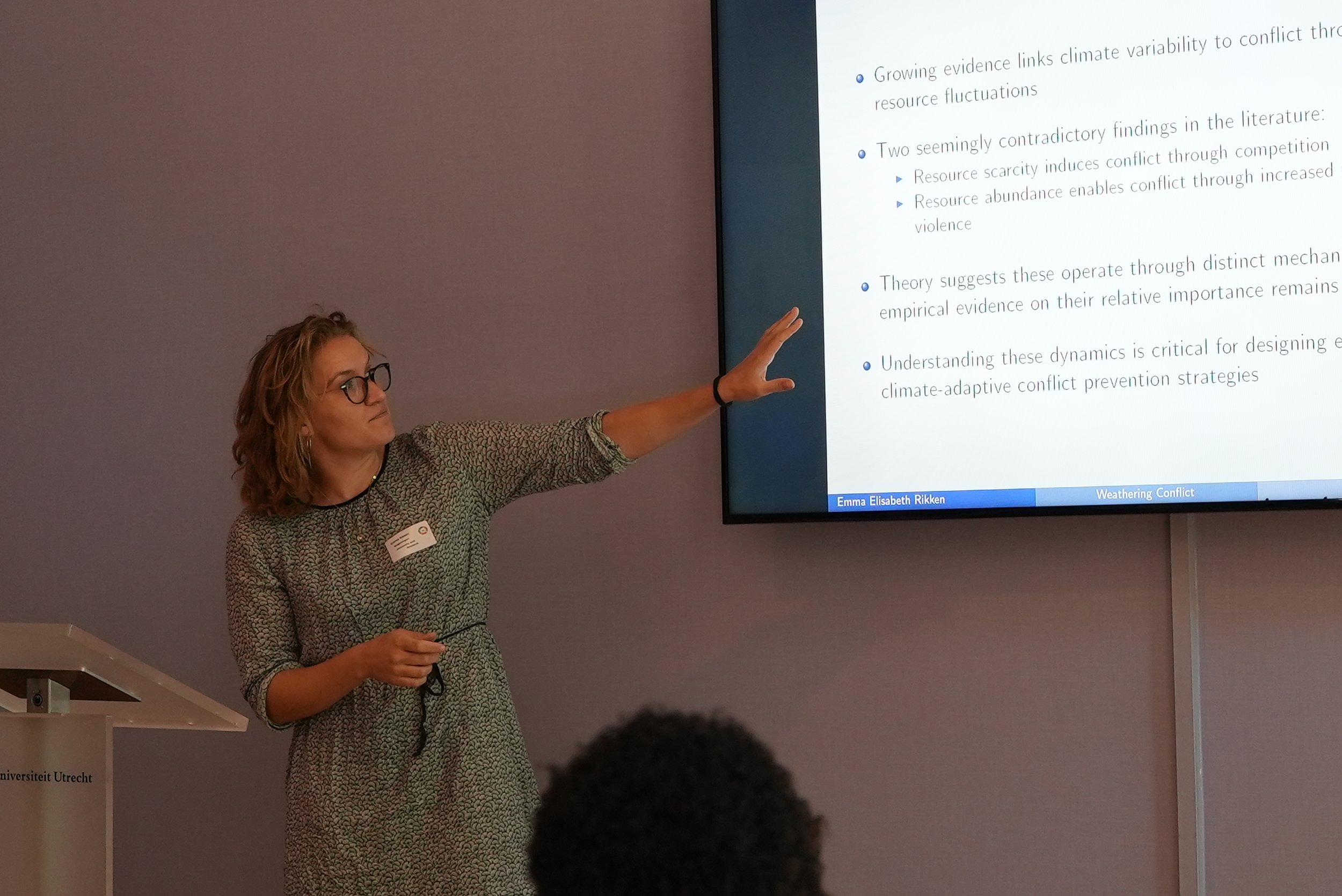
Day One: From Research to Policy-Relevant Insights
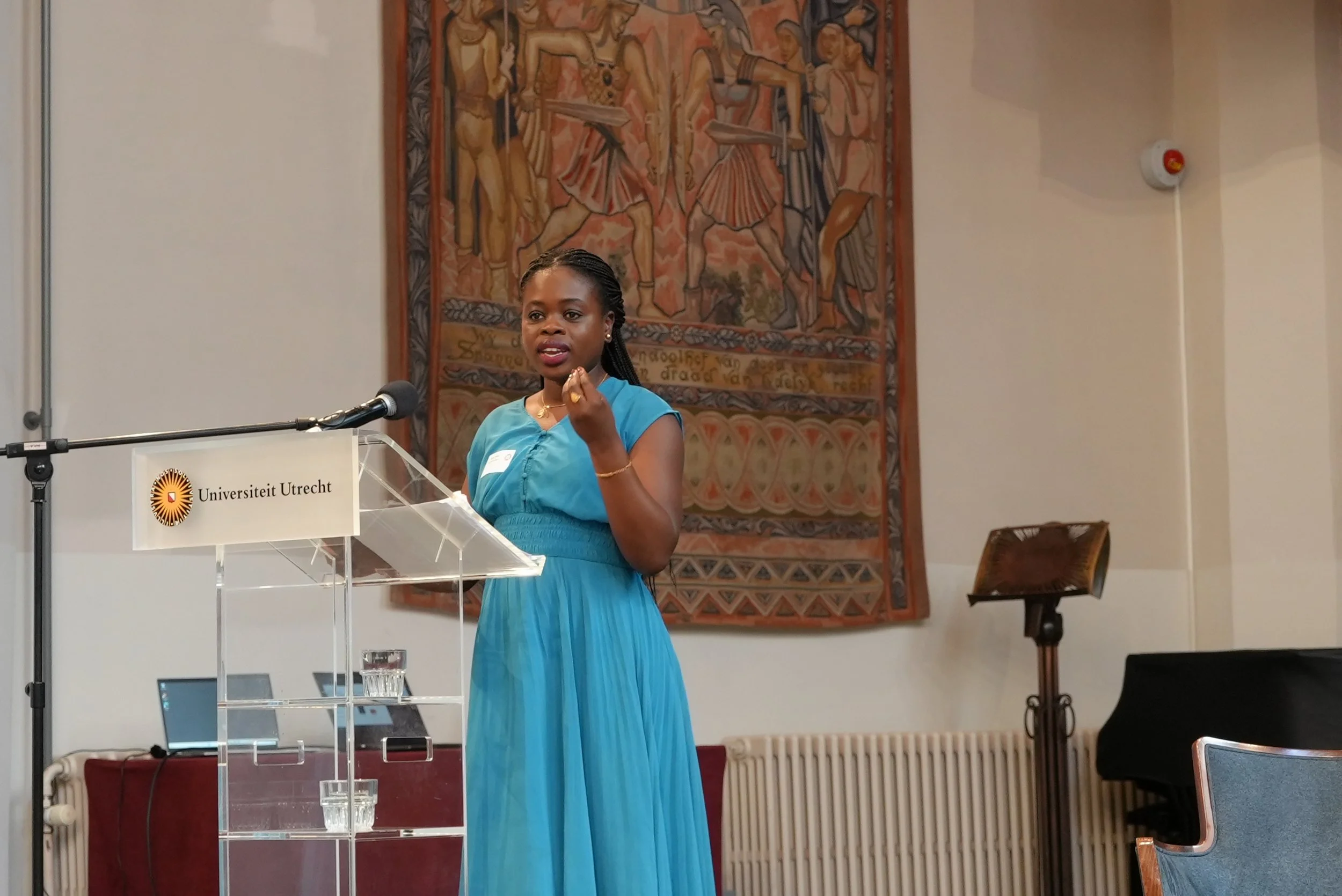
The day opened with a keynote from Dr. Maty Konte, Research Economist at the World Bank Group, on Financing Jobs and Growth in Africa: Turning Domestic Capital into Productive Investments. She highlighted the role of the private sector in creating employment and the need for stronger institutions and financing mechanisms to channel Africa’s domestic capital towards productive investment and more inclusive growth.
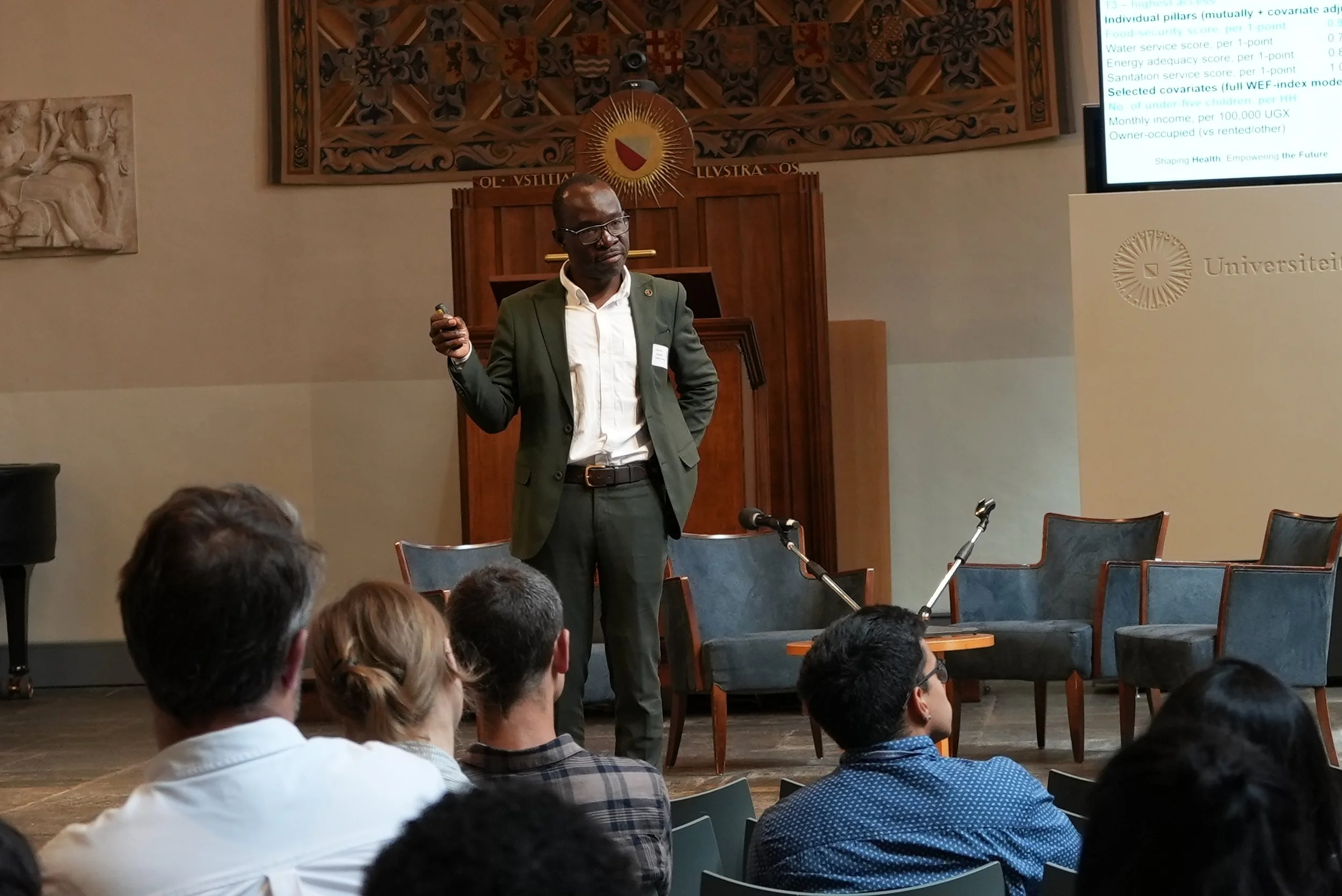
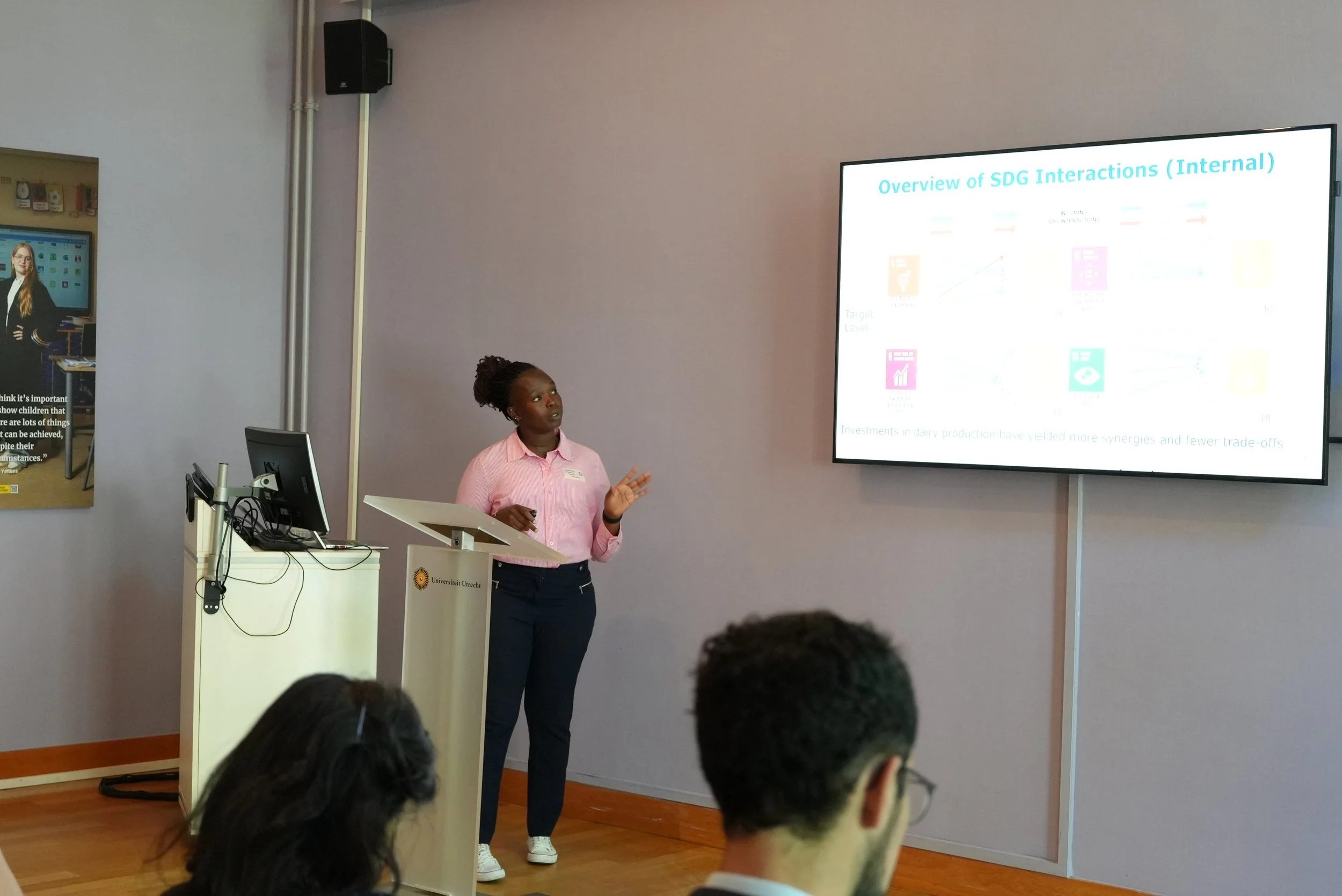
International researchers then presented findings under the themes of SDG interactions, policy coherence and inclusive development. The presentations showed how interactions between development goals take shape in different contexts, including women’s empowerment and nutrition in Bangladesh and Ethiopia, sustainable dairy development in Kenya, landscape restoration around Lake Tana, clean water and sanitation in informal settlements in Uganda, and climate and conflict in Kenya and Ethiopia. Researchers also explored how these interactions are governed, examining donor coordination, aid modalities and accountability, as well as the role of different actors and levels of governance.
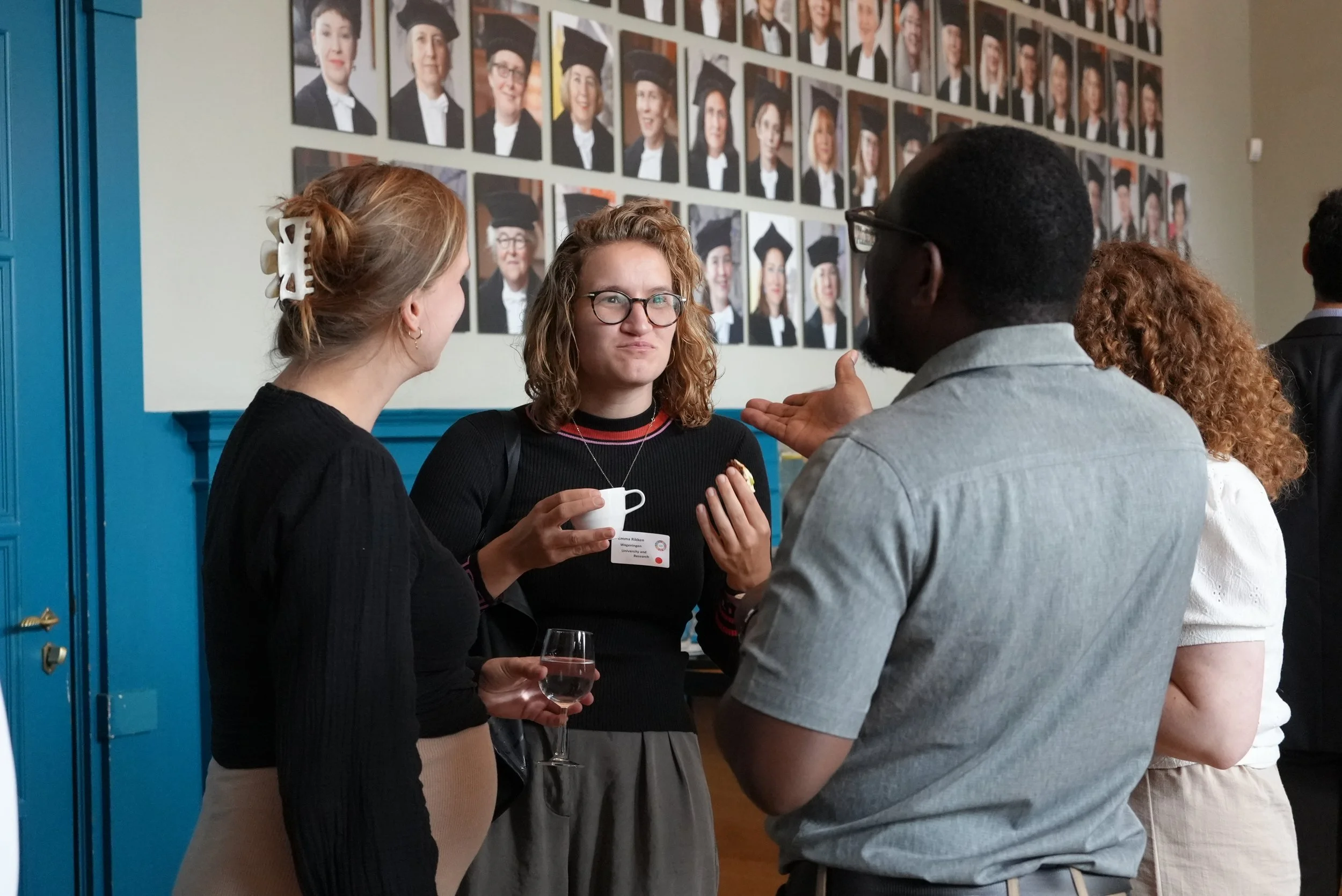
The research sessions also left space for exchange with the audience. Participants asked for clarification and expansion on findings and raised critical questions around methods, representation and how lessons might apply across different contexts. These discussions encouraged researchers and participants to reflect together on the evidence presented, making co-learning an important part of the day.
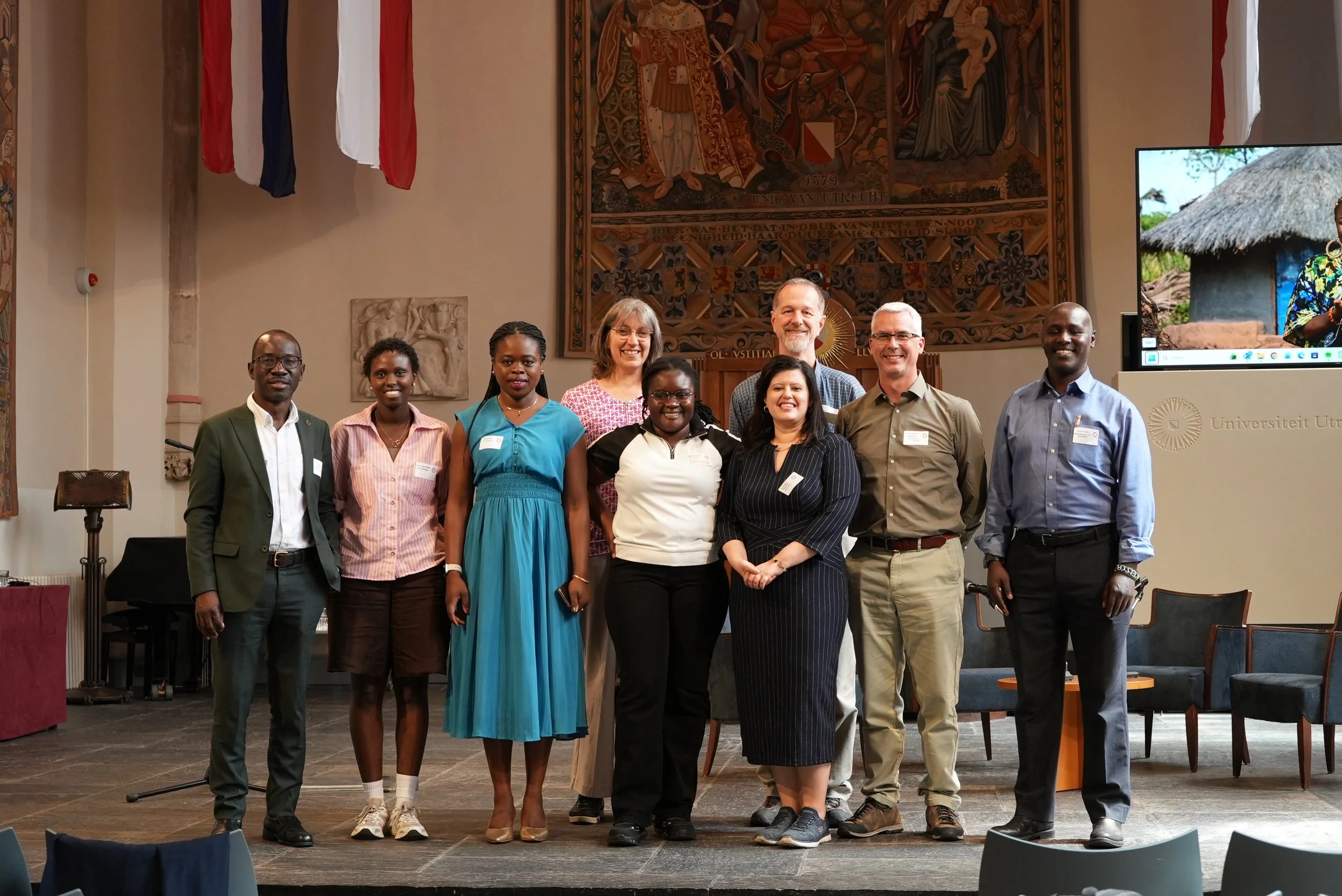
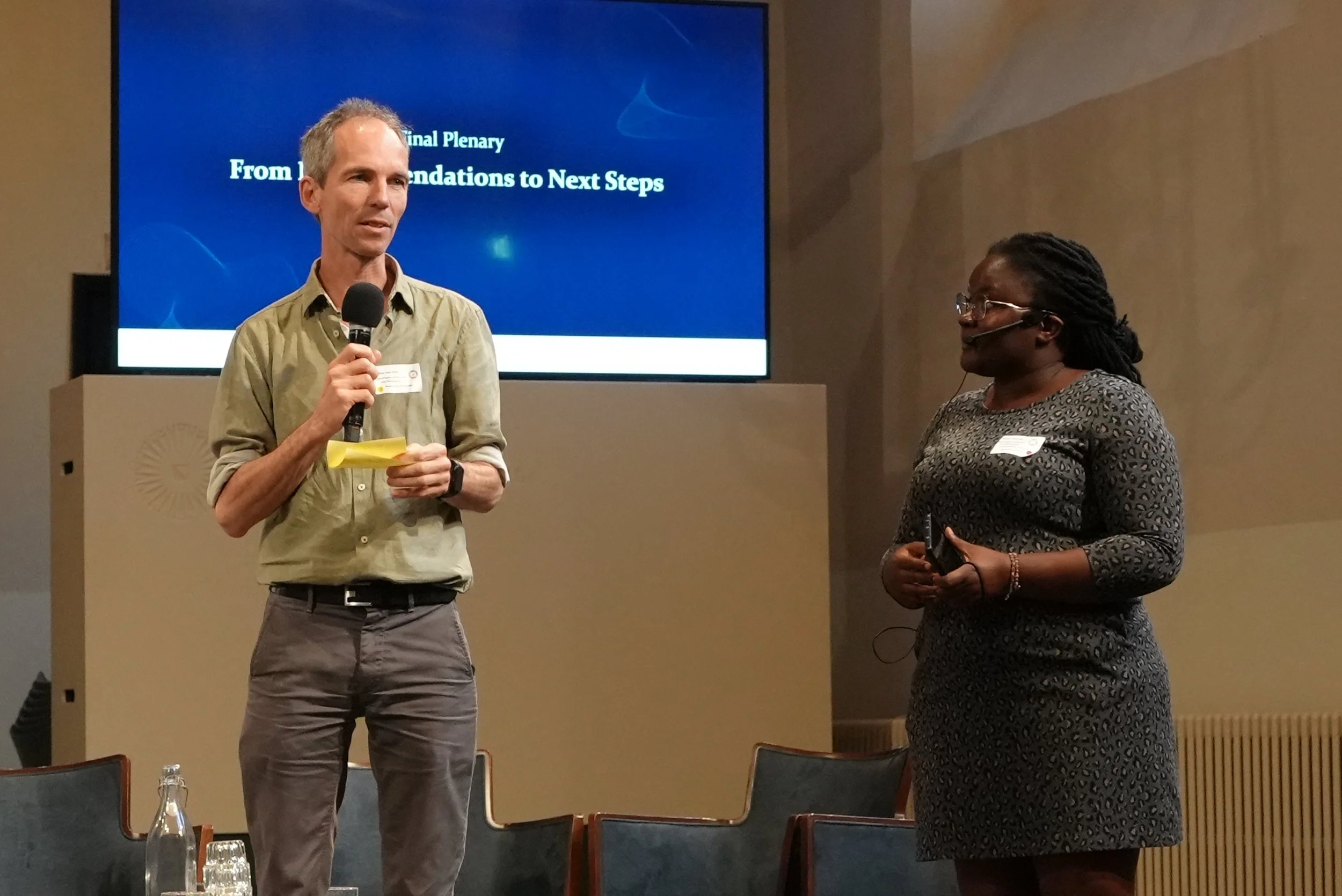
The closing plenary brought several of these discussions together. Principal Investigators and participants reflected on how lessons grounded in particular places and communities can inform wider policy discussions while remaining attentive to context. The conversation also touched on locally led coordination, the sequencing of donor support and the importance of recognising unintended effects when assessing development interventions.
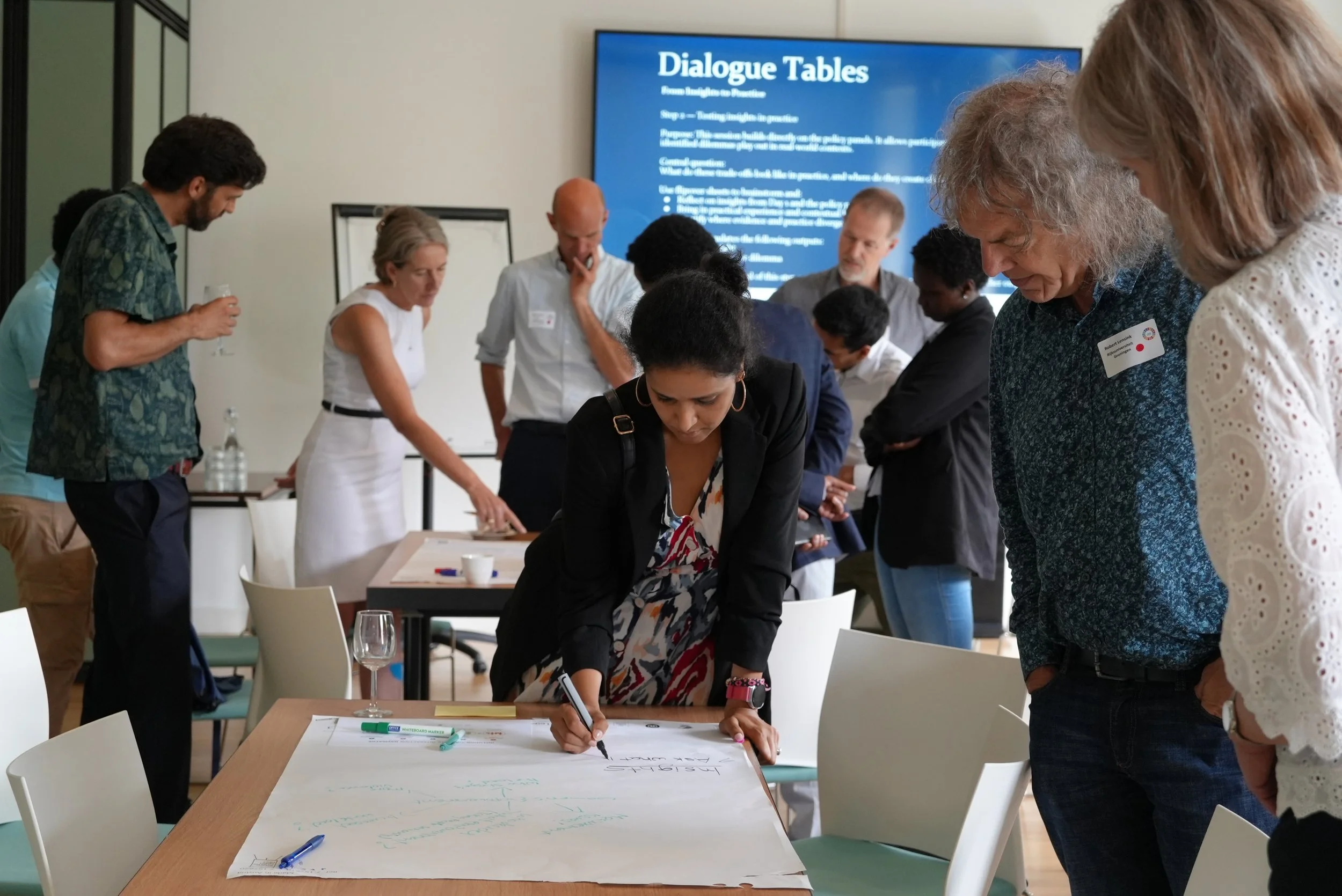
Day Two: From Insights to Decisions
Day Two shifted the focus from understanding SDG interactions to navigating them in policy. Moderators Bram Peters and Rachel Gitundu opened with a central question: how can policymakers make informed choices when development goals conflict?
In her keynote, Dr Isayvani Naicker reflected on the relationship between evidence, politics and policy. She emphasised meaningful citizen participation and questioned how researchers can ensure that the knowledge and experiences of the communities they study are represented in policymaking.
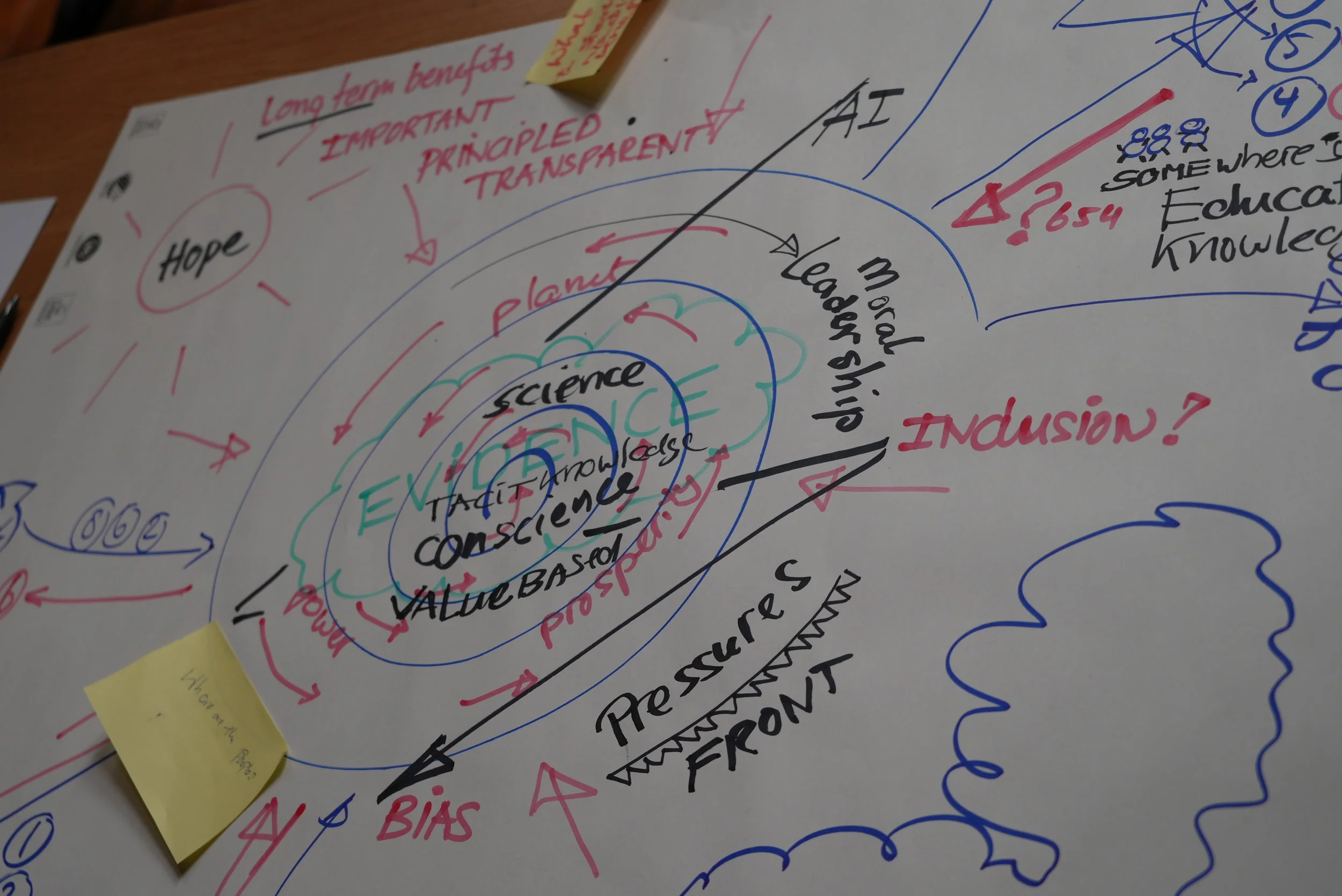
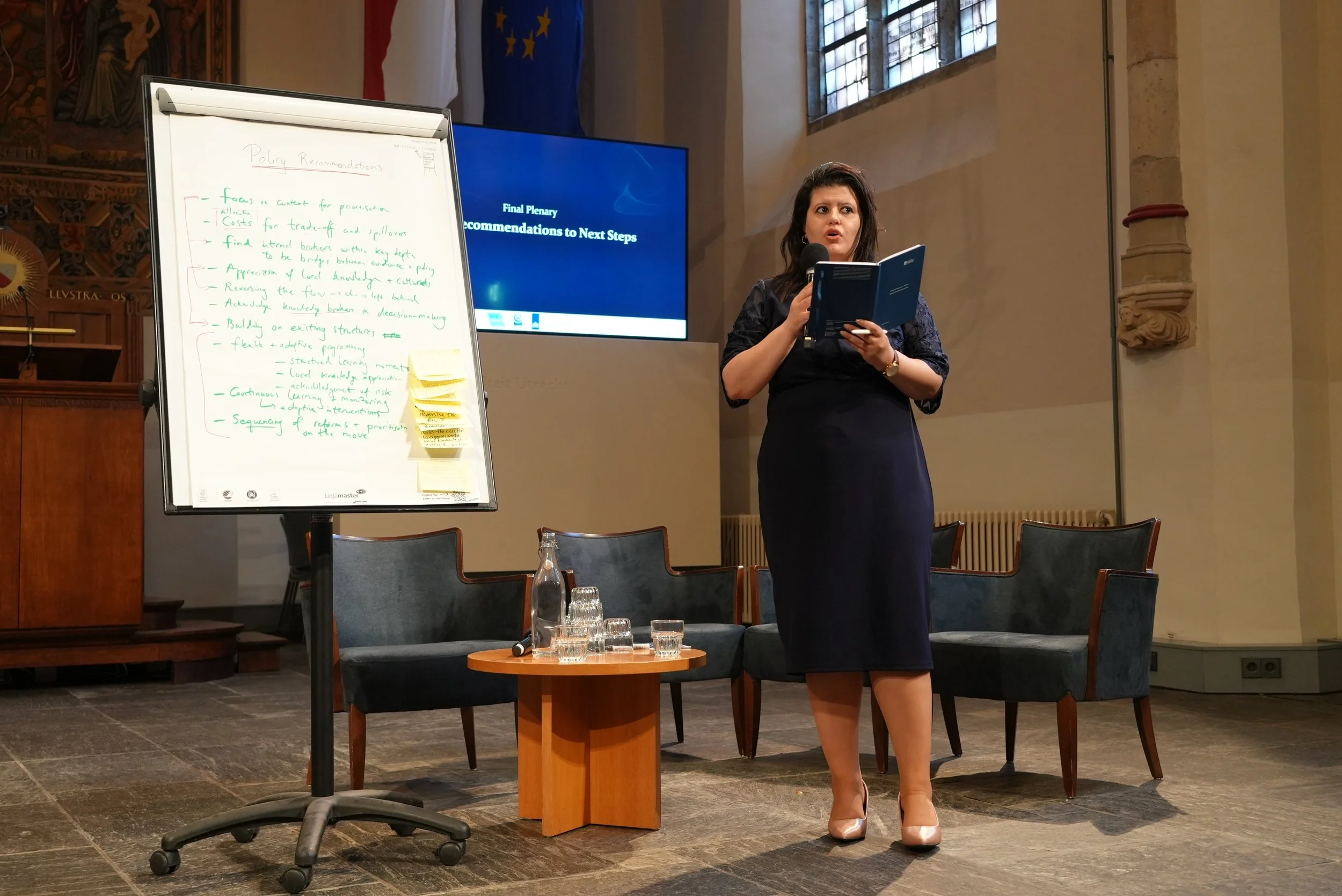
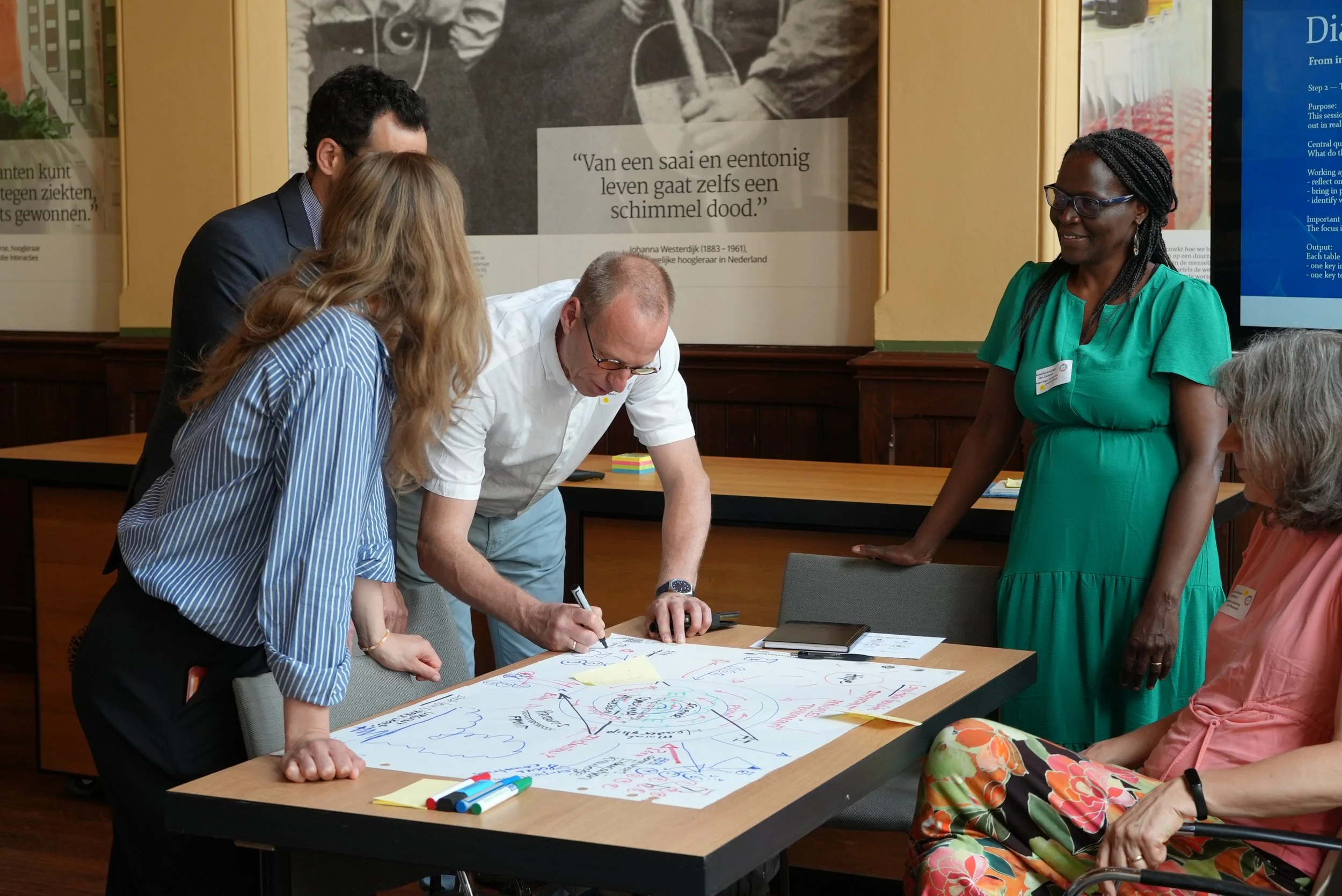
Professor Dr. Nicky Pouw and Dr. Melanie van Driel then introduced the Inclusion First SDG Interactions Navigator, developed through the synthesis of evidence from across the programme. While SDG interaction frameworks commonly begin by identifying which goals interact, the Navigator starts with the people, sectors or landscapes affected by an intervention. It asks who is most at risk of being left behind and whether an intervention reflects their lived realities before considering the SDG interactions that may emerge, how benefits and costs are distributed, and what governance and adaptive actions are needed. The questions are intended to be revisited as circumstances and evidence change, making the Navigator a practical tool for supporting discussion and decision-making rather than a fixed checklist.
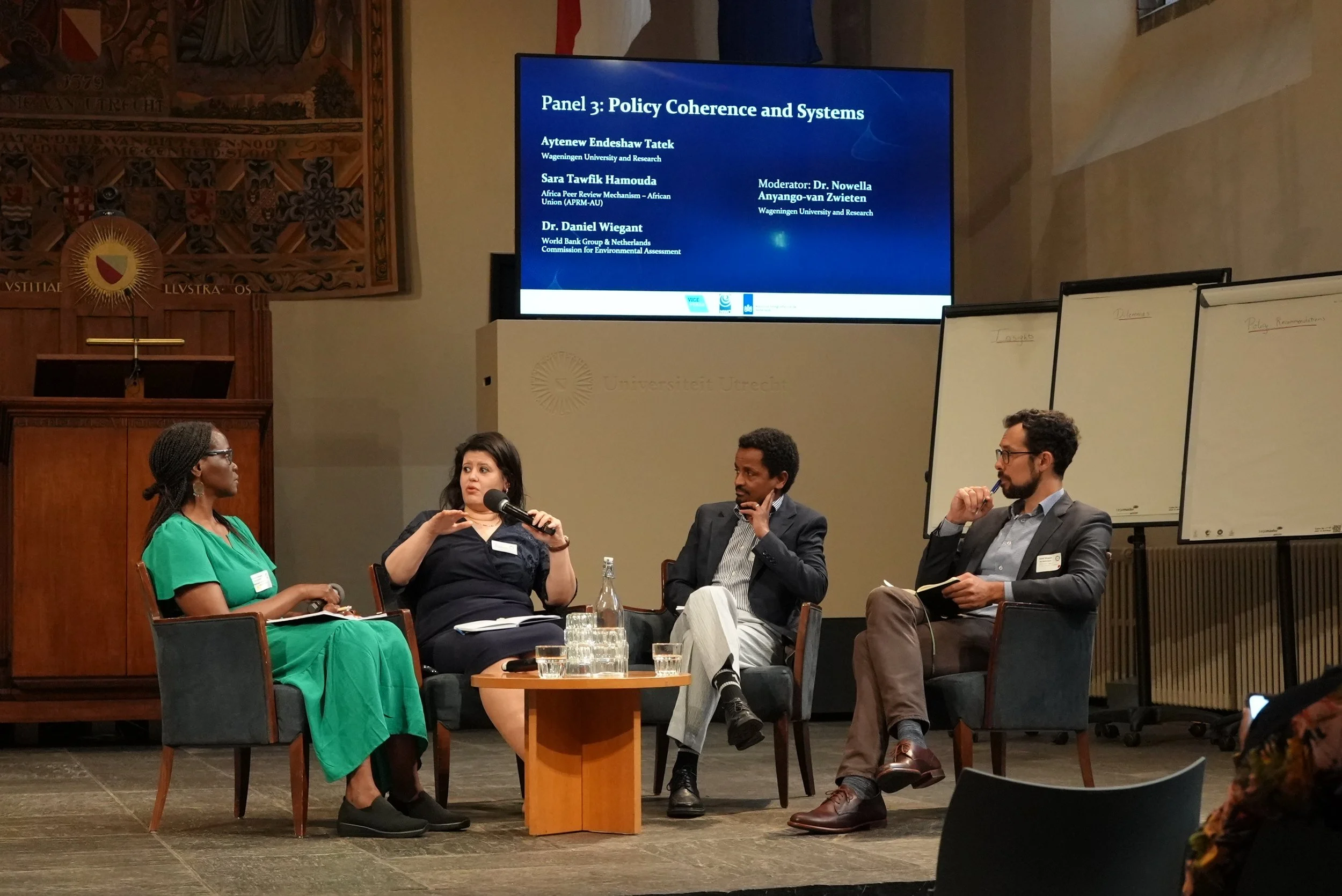
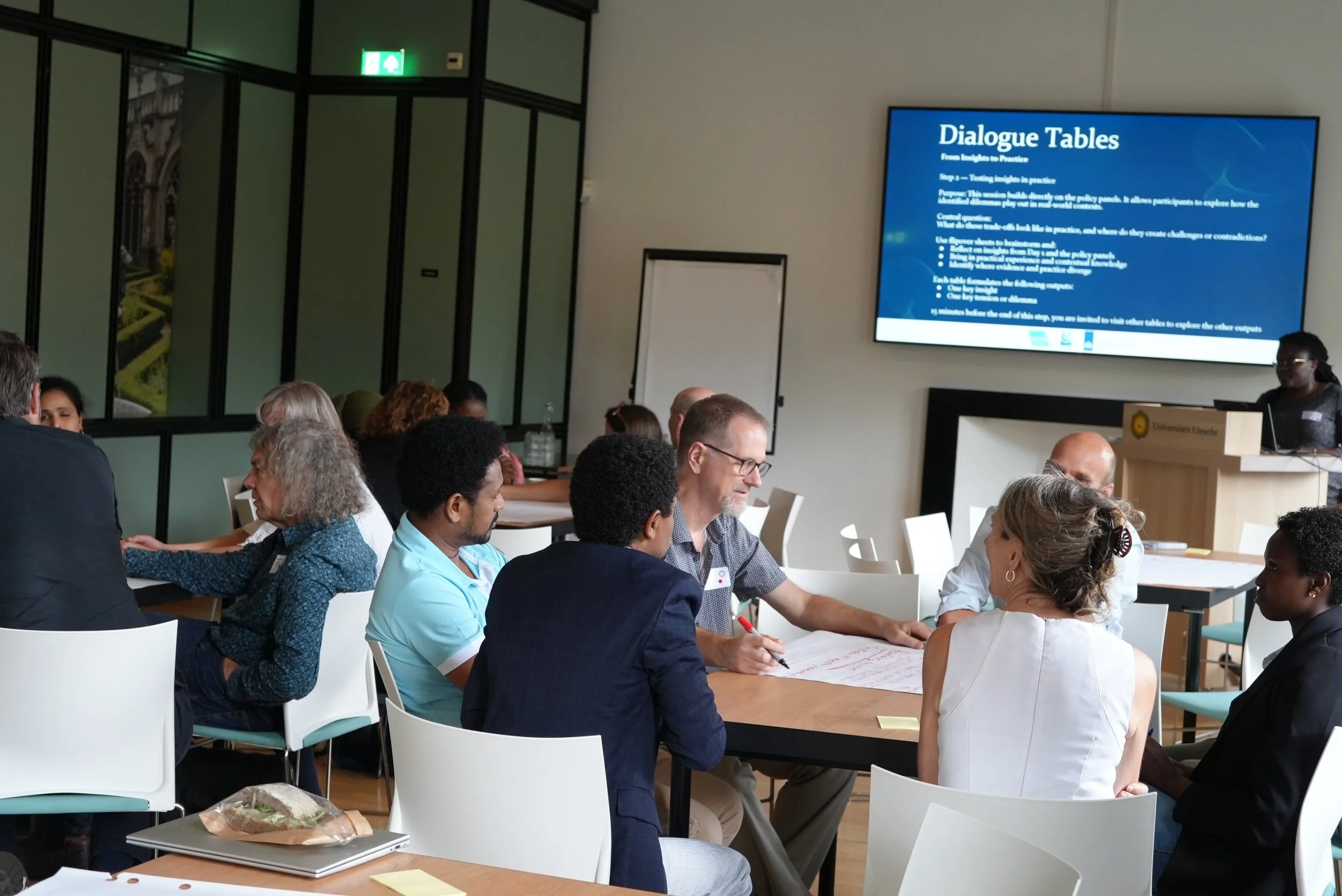
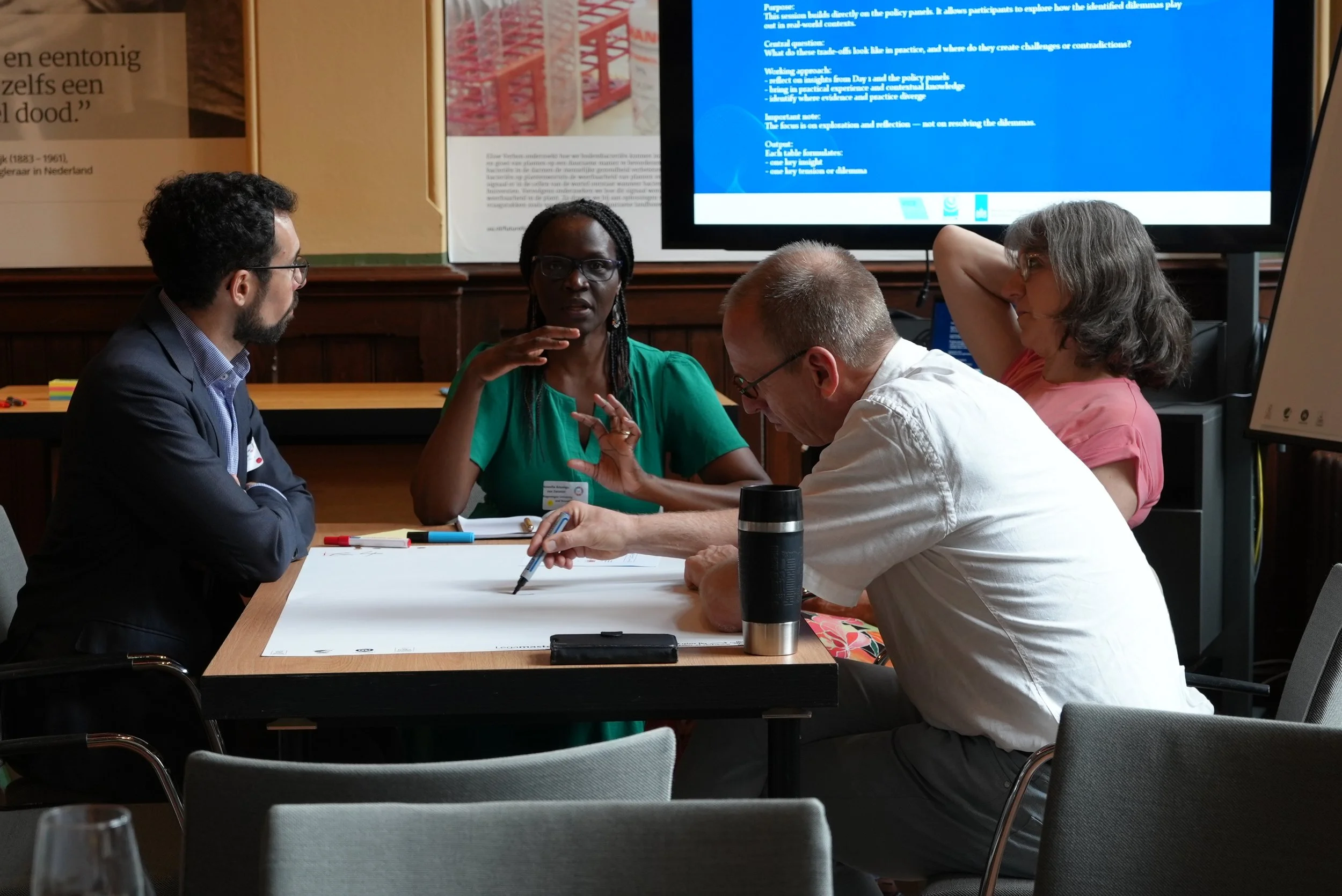
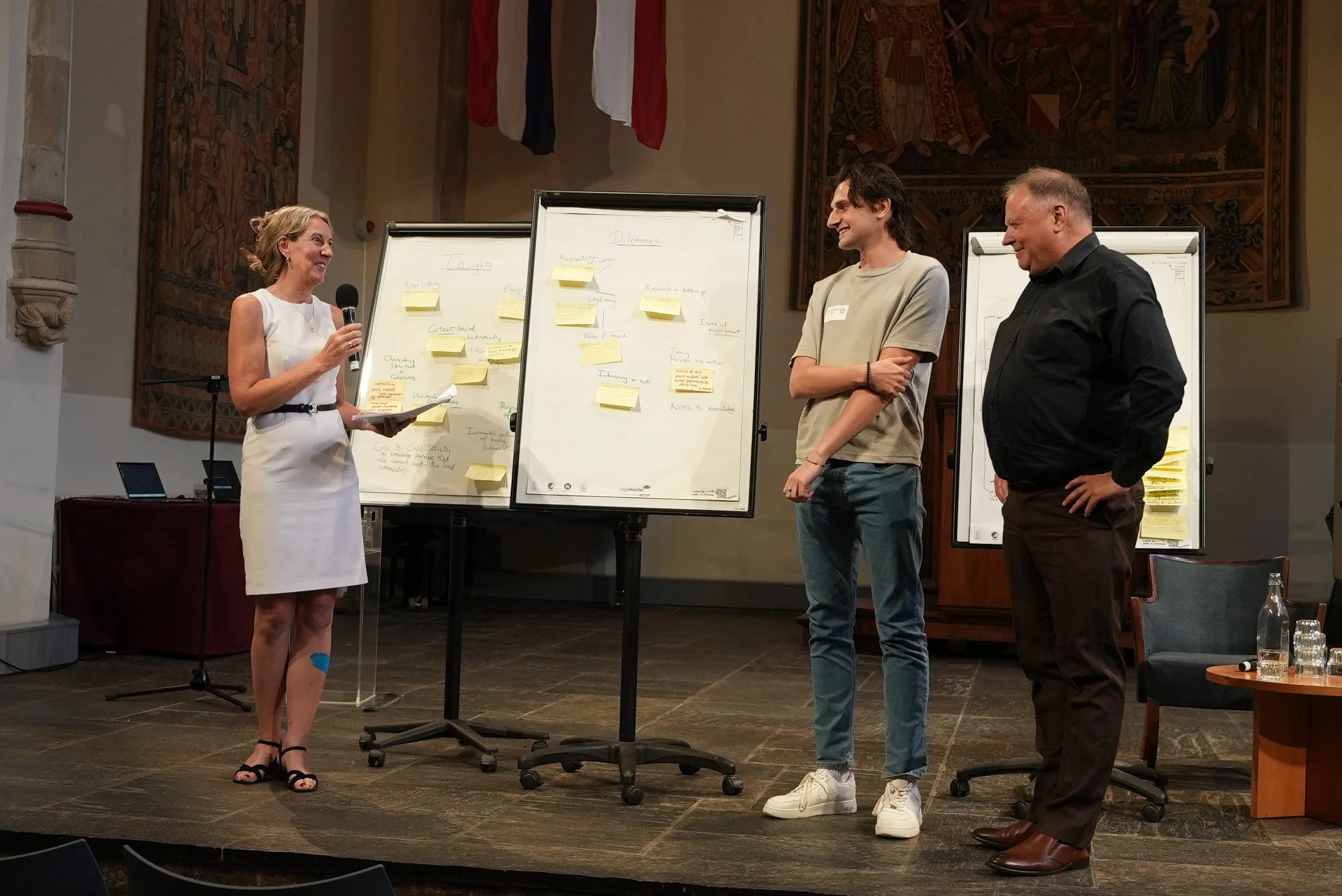
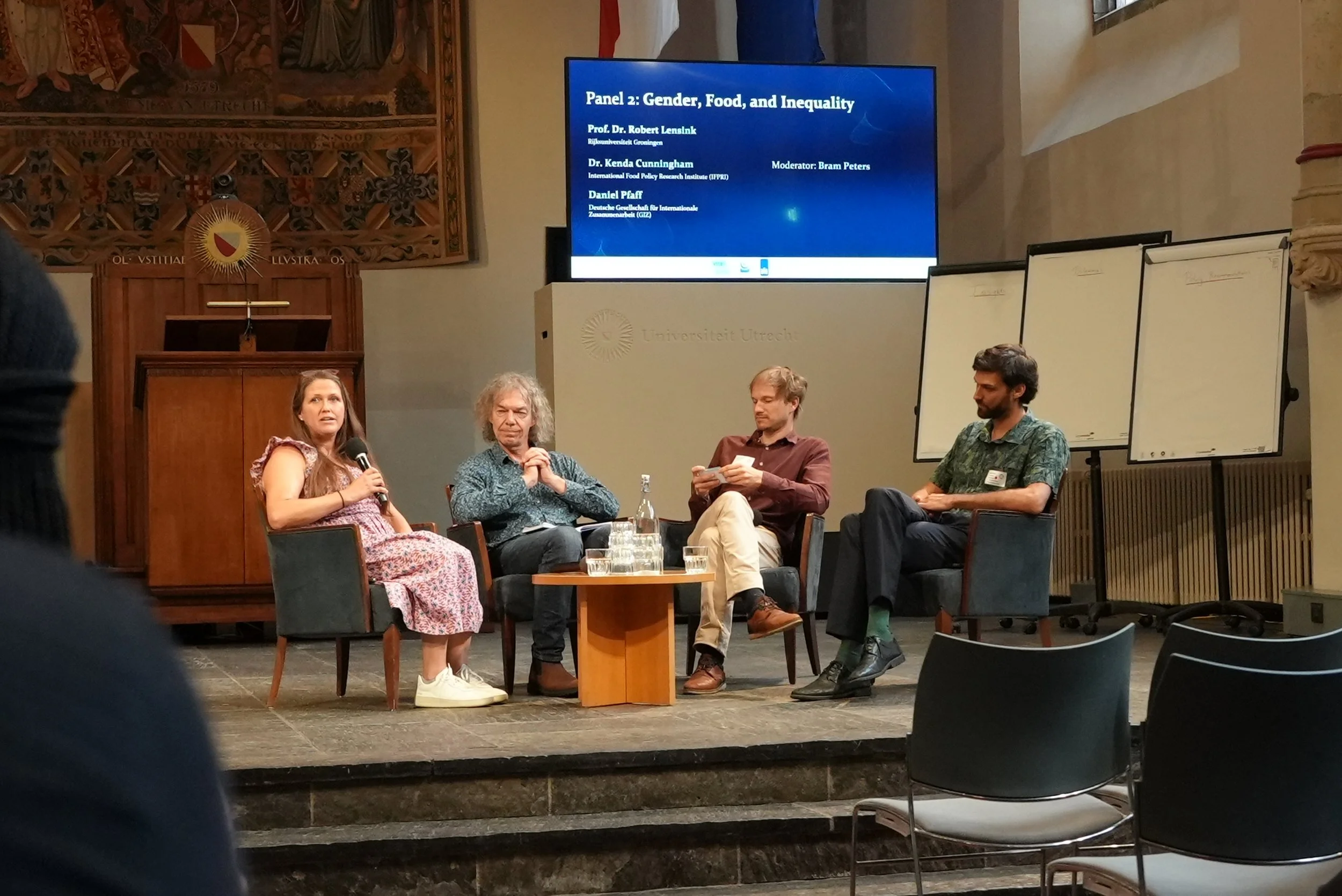
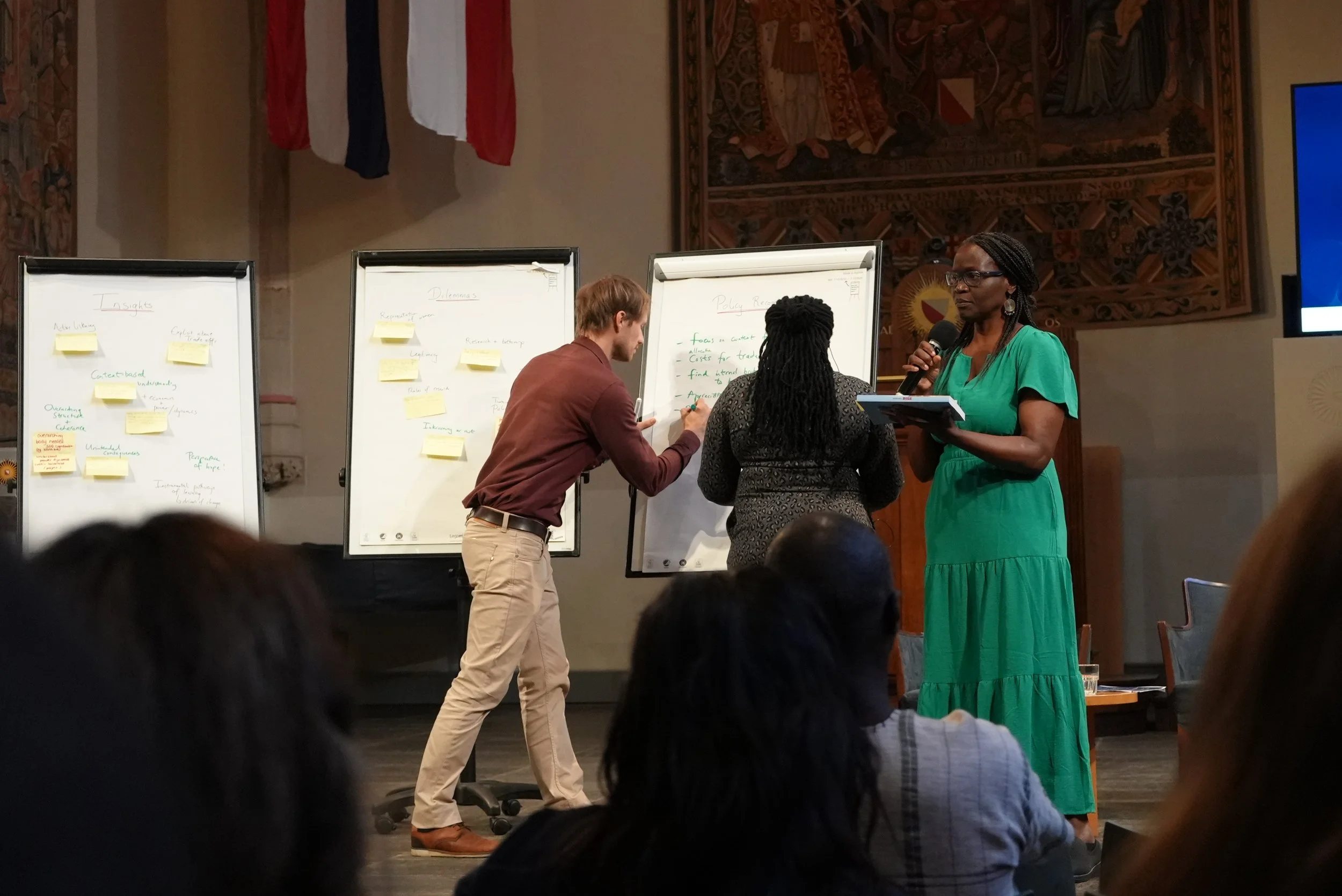
Three thematic policy panels followed, focusing on climate and conflict, gender and food security, and policy coherence. Participants then moved into dialogue tables and co-creation labs, where discussions centred on real policy dilemmas and worked towards concrete recommendations. These sessions also highlighted the importance of knowledge brokering in translating research into useful policy options and maintaining dialogue between research, policy and practice.
Key Takeaways for Policy
Put inclusion first
Identifying who risks being excluded or disproportionately affected should come before assessing how an intervention interacts with different development goals. Policies that appear coherent on paper can still produce unequal outcomes when the lived realities of those most affected are overlooked.
Make trade-offs explicit
Trade-offs and spillover effects should be considered openly, including who bears their costs and how these can be mitigated. Where trade-offs cannot be avoided, policymakers need to make transparent choices about which are acceptable and why.
Ground policy in context and local knowledge
Policy priorities should reflect local institutional realities, power relations and stakeholder perspectives. Meaningful engagement with communities and local knowledge systems can help ensure interventions respond to lived realities rather than assumptions.
Build in flexibility, learning and adaptation
Policies, programmes and financing should allow for continued learning and adjustment as new evidence and unintended consequences emerge. This also means strengthening existing coordination mechanisms and sequencing interventions according to context, capacity and readiness.
The final conference marked the culmination of four years of collaborative research and considered how its findings can continue to inform policy and practice. As Professor Dr. Nicky Pouw concluded, “When resources are scarce, the question is no longer whether we should prioritise, but how we prioritise wisely. Start with people. Navigate interventions. Put the last first.”
Read the Full Conference Report
For a more detailed account of the research findings, discussions and recommendations across both days, read Vice Versa’s full conference report, Making SDG Interactions Work: From Evidence to Coherent and Inclusive Decisions.
