Policy Dialogue Session on SDG Interactions and Debunking Notions - Key Insights and Takeaways
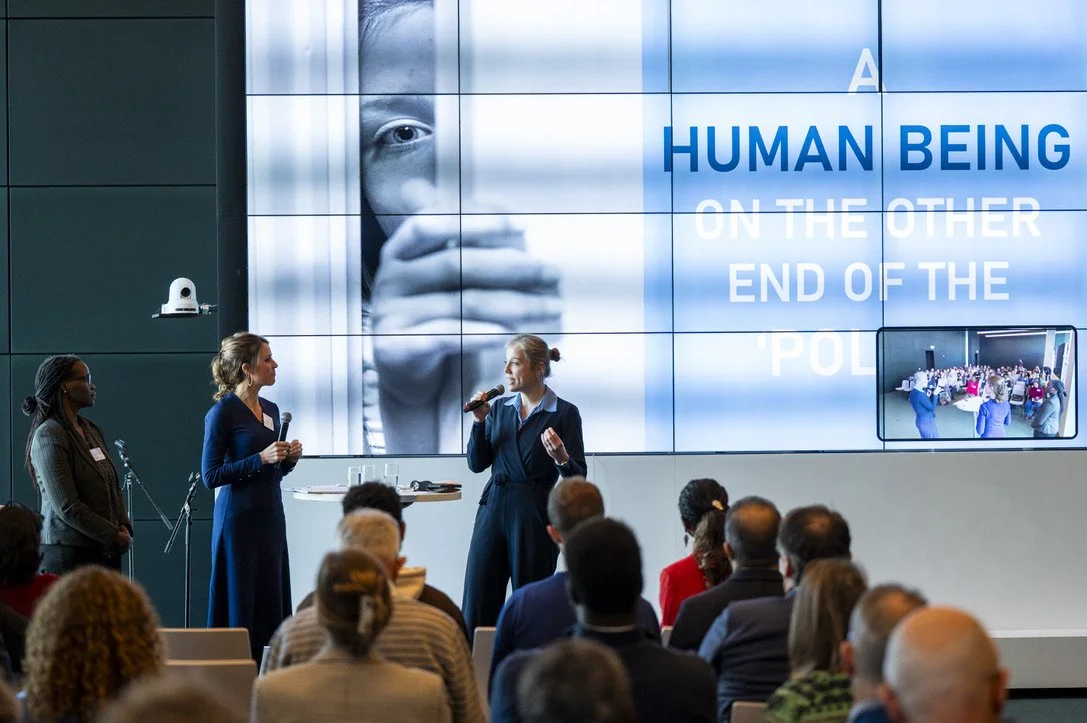
All photos by photographer Leonard Faustle
By Kate Garside, Knowledge Brokering and Synthesis Team
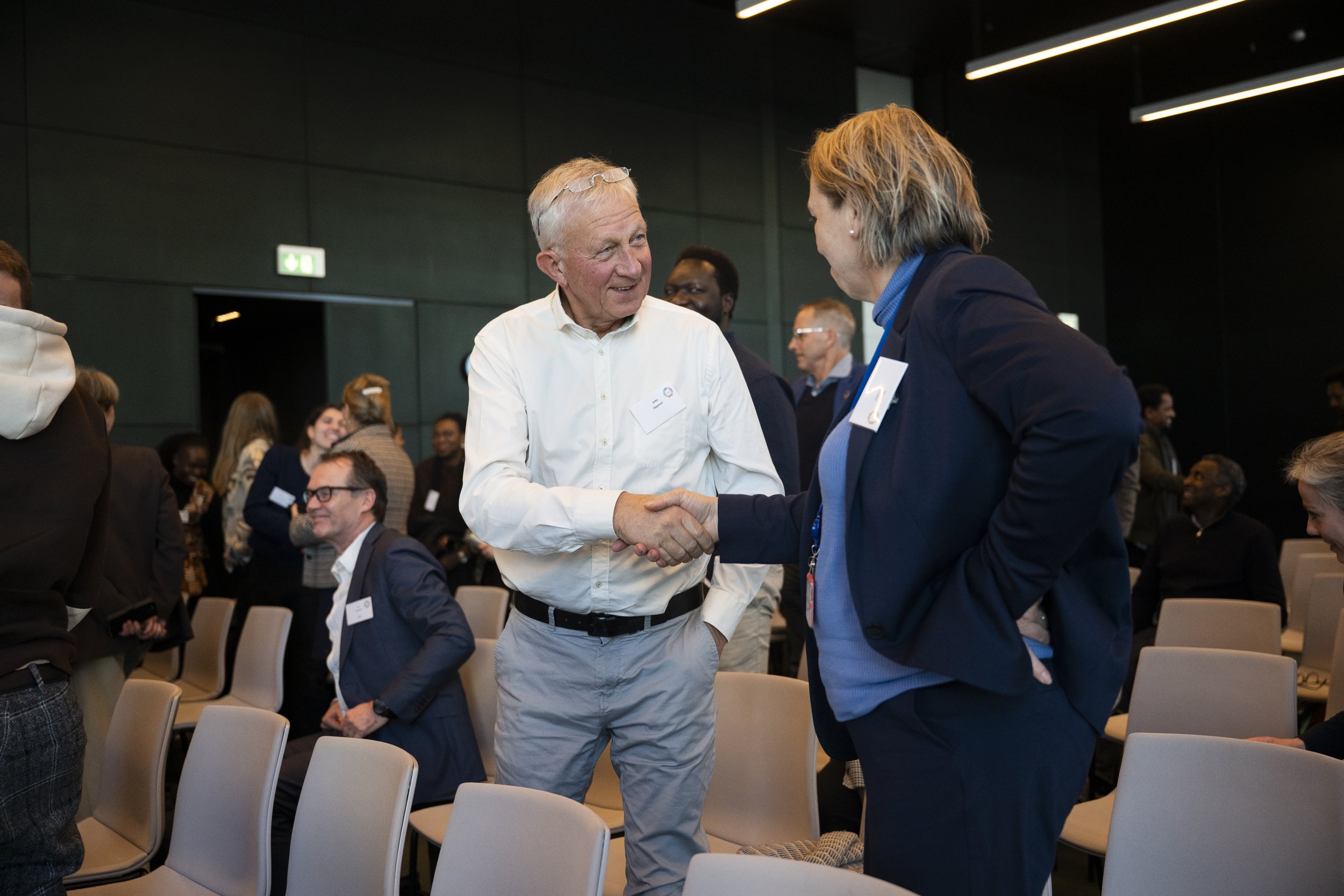
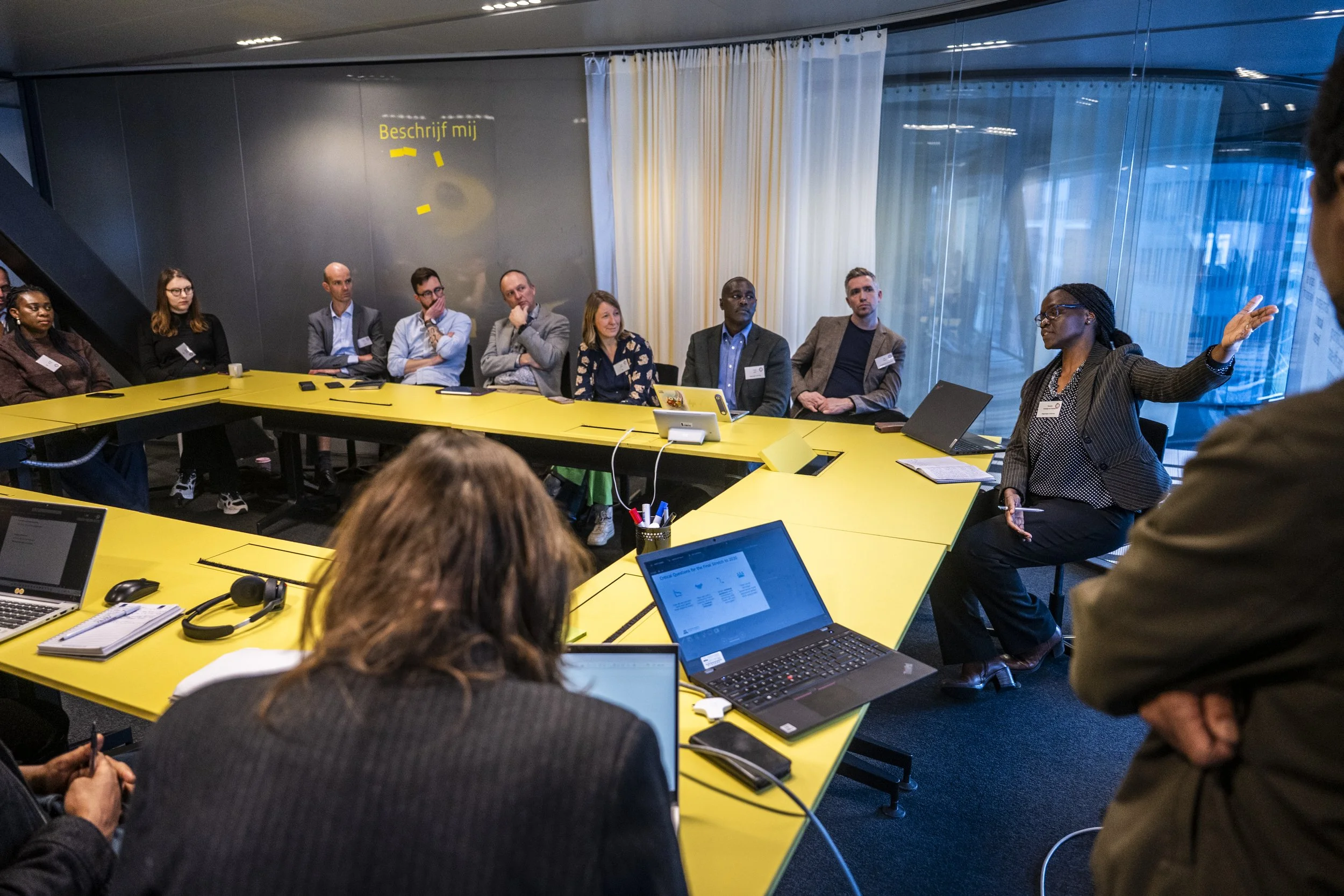
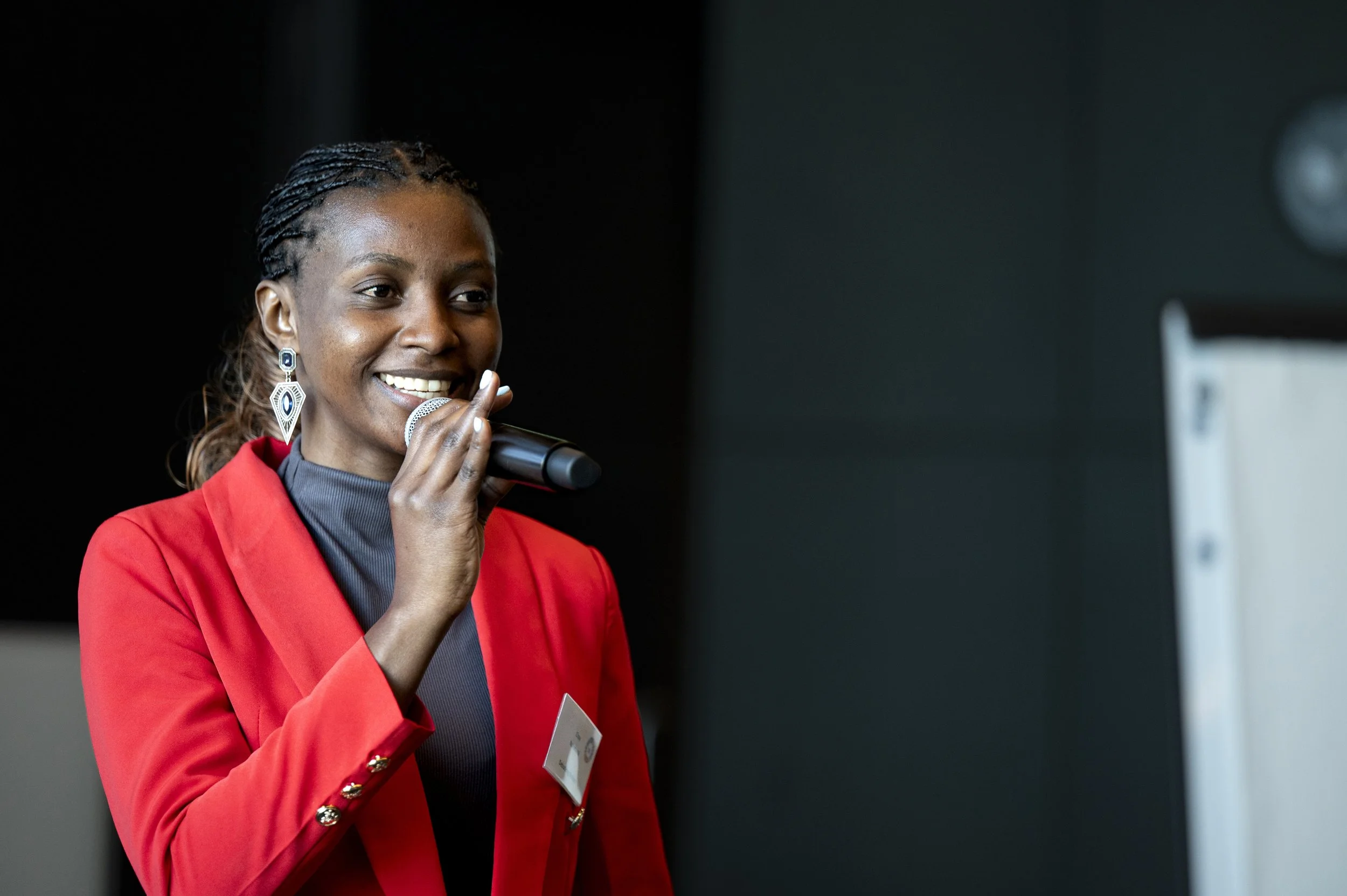
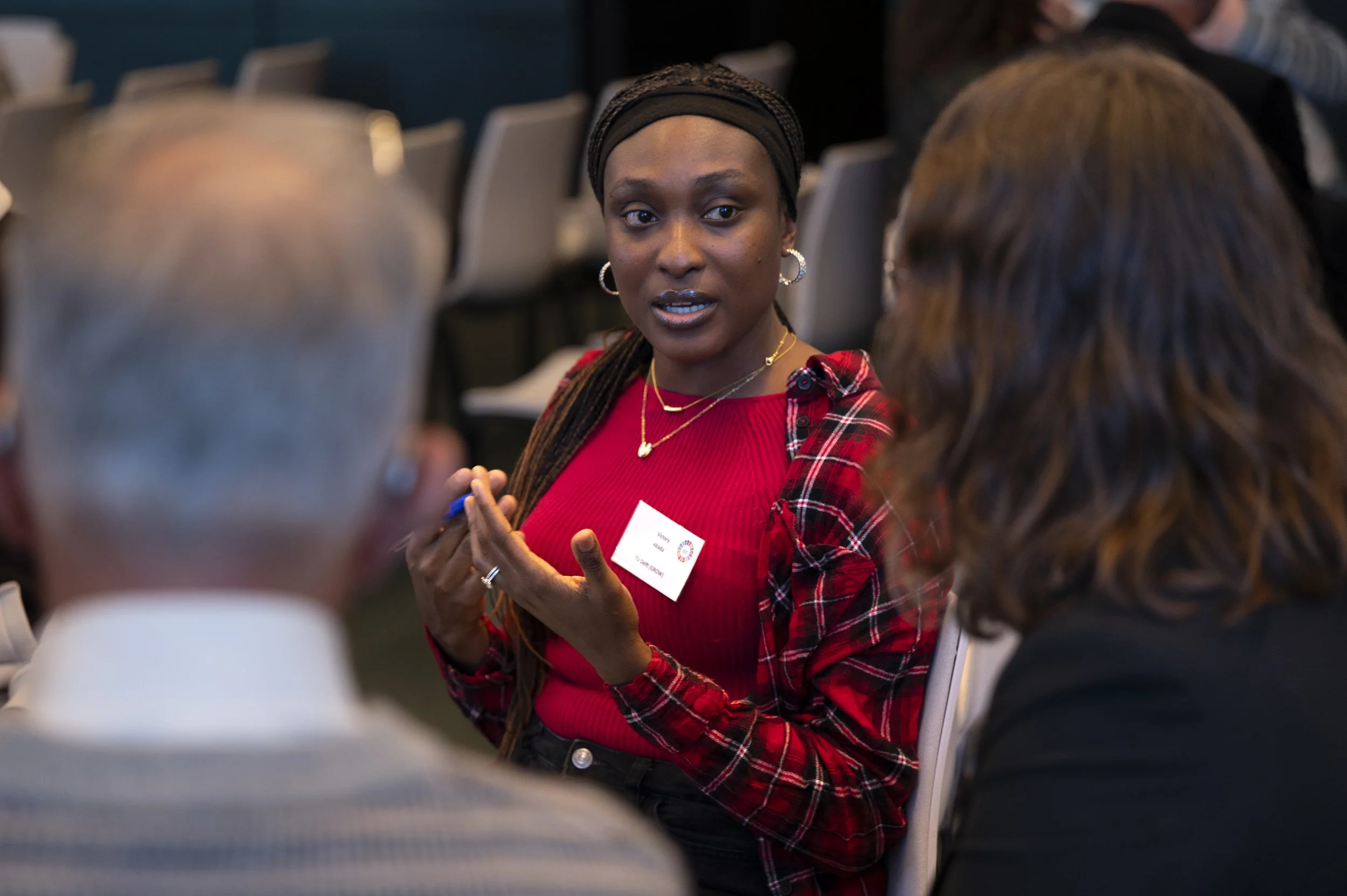
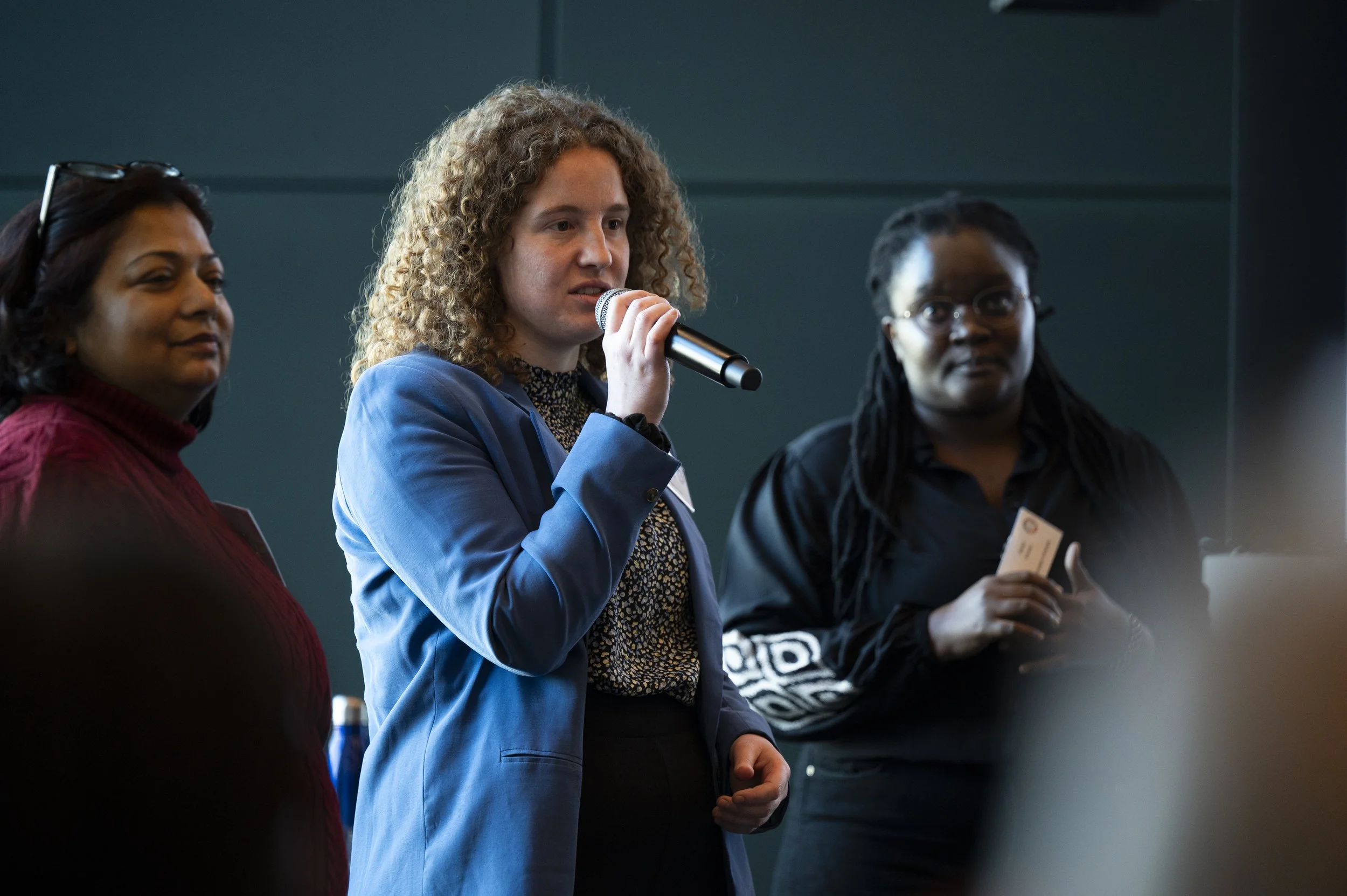
On the 4th of February 2026, policymakers, researchers, students and representatives from both the private and public sectors came together for a Policy Dialogue Session organised by the NWO, Ministry of Foreign Affairs and Vice Versa. Research from the SDG Interactions and Policy Interventions in Developing Countries programme was presented to stimulate discussion on SDG interactions and how this work can inform more just, inclusive and coherent policy.
Central to the discussions was the theme Debunking Notions, a multimedia project by Ugandan filmmaker Cissy Nalumansi and Marc Broere (Editor-in-Chief of Vice Versa). This theme opened space for reflection on how stereotypes, assumptions, and power relations shape whose knowledge counts and whose experiences remain invisible.
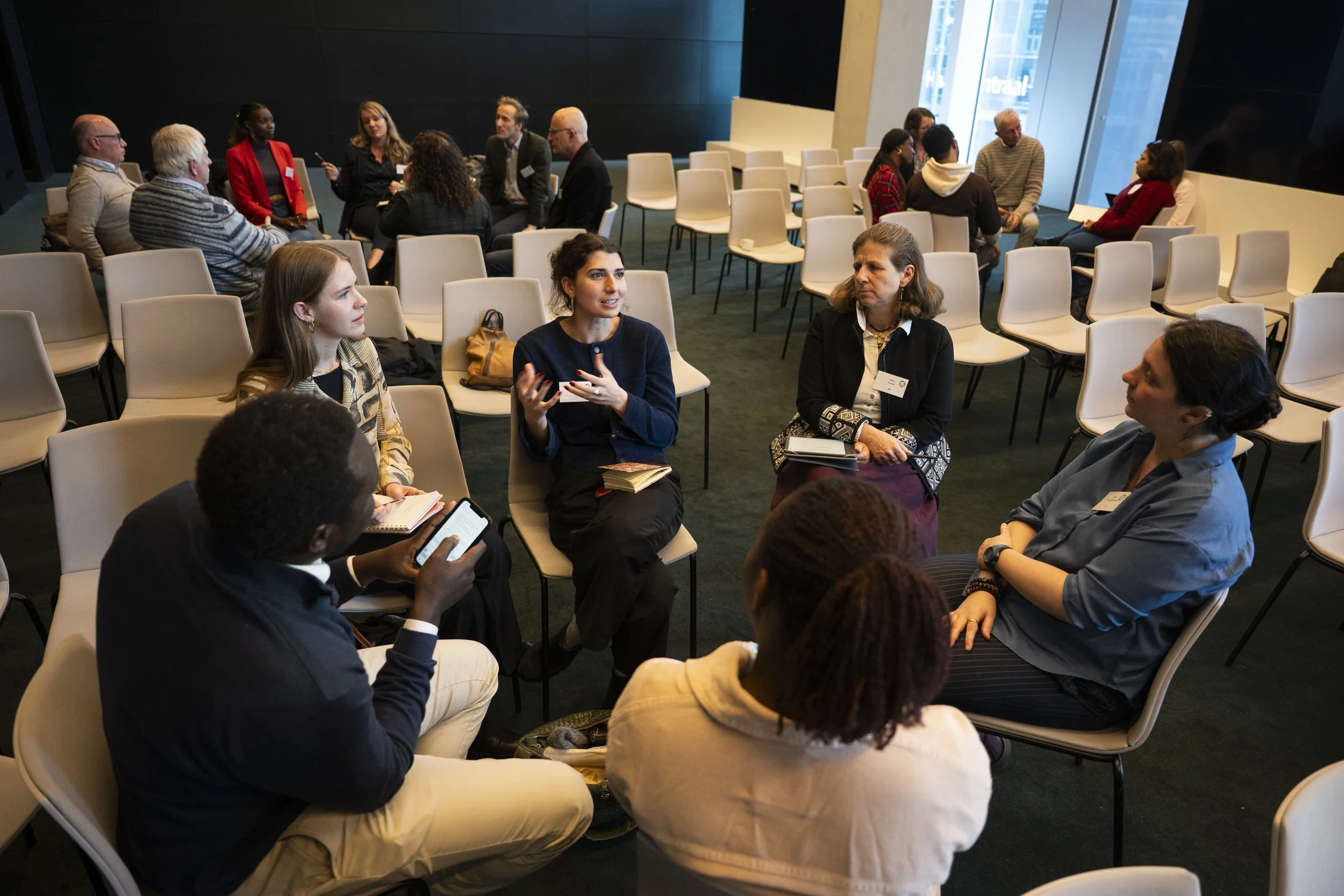
Moderated by Ellen Mangus, the session combined plenary and breakout discussions, where participants explored policy dilemmas and worked towards outlining concrete recommendations for policymakers.
Key Research Insights on SDG Interactions Research
Governing SDG Interactions in East Africa & Policy Coherence by Wageningen University and Research
Presented by Rachel Gitundu (PhD) and Nowella Anayango-van Swieten (Postdoc)
Grounding SDG Interactions in local realities
Effective understanding of SDG interactions begins at the local level. For example, SDG Interactions researchers first explore how farmers see interactions between different SDG goals in their daily life. The next step is bridging these lived experiences with perspectives from implementers and donors. This reveals how policies are designed, interpreted and operationalised across different levels of governance.
Understanding collaboration as a continuum
Collaboration in development should not be understood as strictly “formal” or “informal”. Instead, collaboration exists along a continuum which includes project-based partnerships, networks and institutional arrangements.
Identifying context specific vulnerabilities
There is a continued generalisation of vulnerability and marginalisation in development interventions and policy frameworks. We must work with communities themselves in order to identify context specific vulnerabilities and marginalisation in order to create effective policy.
Climate change, conflict and insurance by Utrecht University
Presented by Karlijn Mosink (PI) and Anouk van Veldhoven (PhD)
Unexpected effects of insurance interventions
After the introduction of a customer care system in insurance schemes, researchers noticed reduced uptake of insurance and increased intra-household tensions. The resulting hypothesis is that these outcomes may be linked to interference in decision making processes within households. Further research will be carried out to test this.
Long-term, locally driven evidence
Longitudinal data collected by African research teams, used by the SDG Interactions research team enables a deeper understanding of household dynamics over time. This reveals that both negative shocks (e.g. drought induced migration) and positive shocks (e.g. improved pasture leading to livestock raids) can increase conflict via different mechanisms. Additionally, access to longitudinal data highlights the importance of working with local partners.
Adaptive policy design
Evidence based insights demonstrated that interventions such as index-based livestock insurance can reduce conflict, but can also increase risk-taking in favourable conditions, unintentionally raising conflict. This highlights the necessity for complimentary solutions, such as apprenticeship programmes to diversify income and reduce reliance on conflict-prone practices.
Improving food and nutrition by enhancing women’s empowerment by the University of Groningen
Presented by Saira Parveen Jolly (PhD)
Psychosocial empowerment and maternal nutrition
A randomized controlled trial was conducted among beneficiaries of the BRAC microfinance DABI programme in rural Bangladesh to evaluate a psychosocial empowerment intervention aimed at improving food and nutrition security. Married women aged 18–30 years and their husbands participated in interviews and a four-module training covering family roles, aspirations, social connectedness, and joint decision-making. The intervention extended empowerment from individual to relational levels. Maternal nutritional status improved among women who received the psychosocial training alone.
Combined psychosocial and WaSH interventions for child nutrition
A subset of women also received WaSH information through a leaflet and brief training. Improvements in child nutritional status were observed among those whose mothers received both the psychosocial intervention and the WaSH component. This demonstrates that integrated psychosocial empowerment and WaSH interventions are essential for improving maternal and child nutrition in low-resource settings.
Key Takeaways for Policy
Inclusive policy design
Policy design must begin by asking for who policies work, under what conditions, and at what costs to others. Research presented demonstrated that policies coherent on paper can still produce exclusion or unintended trade-offs when lived experiences are excluded, leading to fragility and policy failure. Narrow success metrics risk hiding distributional effects, spillovers and long-term costs. As such, inclusion is not a normative extra, but the way to test whether policy actually works in practice.
Policy Coherence
SDG Interactions and related research indicate that ignoring SDG interactions upfront leads to greater instability, inequality and increased long-term corrective costs. Overlooking interactions may hamper long-term success, while early structured reflection can prevent larger problems later on. As Nicky Pouw highlighted, “integrated approaches do not mean doing more - they mean doing fewer things better and avoiding investments that cancel each other out.”
Internal Ministry of Foreign Affairs Policy Learnings
Moving from “lessons learned” to interaction aware learning
Shift internal reflection from asking only “what worked?” to asking: Which SDGs interacted here? For whom did outcomes differ? Where did trade-offs emerge over time? Add one standard question on SDG interactions and inclusion to evaluations, end of programme reviews, and policy memos.
Treat SDG interaction analysis as risk management
Reframe SDG interaction analysis as protecting public funds and political credibility. Position interaction and inclusion checks as the social and political equivalent of a financial risk assessment.
Use embassies as early-warning learning nodes
Introduce light qualitative learning loops (e.g. twice yearly reflections) which allow embassies to report emerging trade-offs and signals, not only hard evidence.
Institutionalise inclusion as an analytical lens
Inclusion should function as a diagnostic tool. Require disaggregated reflection by gender, age and wealth in internal learning documents and train staff to ask who is structurally excluded.
Access the full report of the Policy Dialogue Session here.